There is no item in your cart
চশমা নির্বাচনের সময় ফ্রেমের সঠিক মাপ কেন জরুরি?
একটি সুন্দর ফ্রেম পছন্দ করা যতটা গুরুত্বপূর্ণ, ফ্রেমটি আপনার মুখে কীভাবে বসছে এবং চোখের সামনে লেন্সটিকে কীভাবে ধরে রাখছে—তা নিশ্চিত করা ঠিক ততটাই জরুরি।
চশমা কেনার সময় আমরা অনেকেই শুধু ডিজাইন, রঙ, ব্র্যান্ড বা ট্রেন্ডের দিকে নজর দিই। কিন্তু দেখতে সুন্দর হলেই যে সেই ফ্রেমটি পরে আপনি আরাম পাবেন, তা কিন্তু নয়। একটি ভালো চশমা আপনার লুক সুন্দর করার পাশাপাশি যেন নাক ও কানের ওপর আরামদায়কভাবে বসে, সেদিকে খেয়াল রাখা উচিত। আপনি সাধারণ লেন্স ব্যবহার করুন কিংবা প্রোগ্রেসিভ, চশমার ফ্রেমের সঠিক মাপ আপনার পুরো অভিজ্ঞতাই বদলে দিতে পারে।
সঠিক ফ্রেমের মাপ কেন এত গুরুত্বপূর্ণ?
| কারণ | বিস্তারিত বিবরণ |
| ১. লেন্সের সঠিক অবস্থান বজায় রাখা | চশমার লেন্সগুলো আপনার চোখের পাওয়ারের নিখুঁত পরিমাপ অনুযায়ী তৈরি হয়। ফ্রেম যদি খুব নিচে নেমে যায় কিংবা বাঁকা হয়ে থাকে, তবে লেন্সের সঠিক কার্যকারিতা ব্যাহত হয়। বিশেষ করে প্রোগ্রেসিভ লেন্সের ক্ষেত্রে এটি বেশি জরুরি, কারণ এতে দূরের, মাঝের ও কাছের জিনিস দেখার জন্য আলাদা জোন থাকে। |
| ২. দৈনন্দিন আরাম নিশ্চিত করা | ফ্রেমটি খুব টাইট হলে নাক, কান বা রগে প্রচণ্ড চাপ সৃষ্টি হতে পারে। আবার ফ্রেম ঢিলে হলে মাথা নিচু করলেই চশমা নাক বেয়ে নিচে নেমে আসে। তাই সঠিক চশমা বেছে নিলে সারাদিন চশমা পরে থাকলেও কোনো অস্বস্তি হয় না। |
| ৩. মুখের গড়নের সাথে মানিয়ে যাওয়া | ফ্রেমের চওড়া ভাব, লেন্সের আকার এবং ডাঁটির দৈর্ঘ্য আপনার চেহারার ভারসাম্য ফুটিয়ে তোলে। সঠিক মাপের ফ্রেম মুখমণ্ডলকে খুব বেশি চেপে ধরে না, আবার আলগাও দেখায় না। তবে সৌন্দর্যের পাশাপাশি আরামের বিষয়টি সবসময় আগে ভাবা উচিত। |
| ৪. প্রেসক্রিপশনের লেন্সকে সাপোর্ট দেওয়া | সব ফ্রেমে সব ধরনের লেন্স সেট করা যায় না। যেমন, প্রোগ্রেসিভ বা বাইফোকাল লেন্সের জন্য লেন্সের উচ্চতা একটু বেশি দরকার হয়, যাতে চোখের মুভমেন্টের সাথে লেন্সের সব অংশ সঠিকভাবে ব্যবহার করা যায়। ফ্রেমটি স্থির না থাকলে লেন্সের ফোকাস নষ্ট হয়ে যায়। |
চশমা কেনার আগে কী কী পরীক্ষা করবেন?
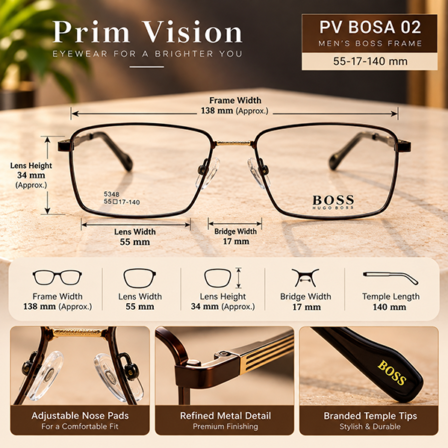
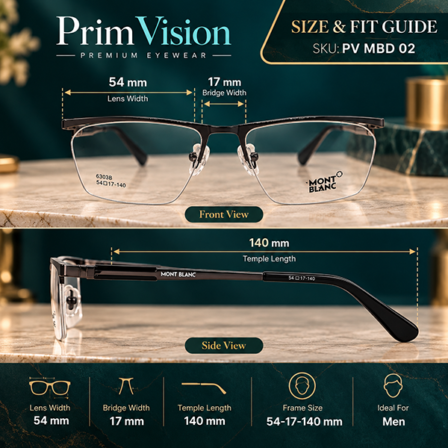
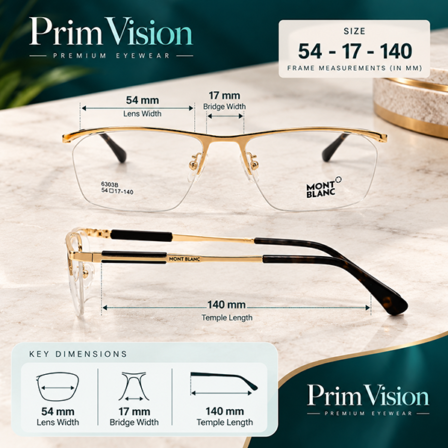
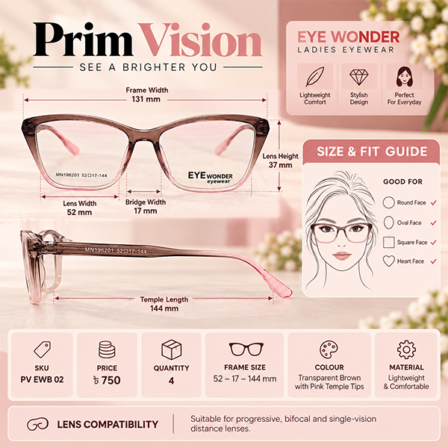
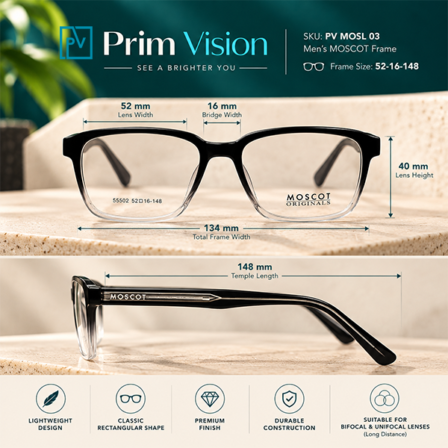
- ফ্রেমের চওড়া ভাব (Frame Width): চশমাটি যেন আপনার মুখের দুপাশে বা রগে অতিরিক্ত চাপ না দেয়।
- নাকের ব্রিজ (Nose Bridge): ফ্রেমটি যেন নাকের ওপর শক্ত ও আরামদায়কভাবে বসে থাকে, বারবার পিছলে না যায়।
- ডাঁটির মাপ (Temple Fit): চশমার ডাঁটি বা হাতল দুটি যেন কানের পেছনে অতিরিক্ত চাপ না দিয়ে চশমাটিকে আটকে রাখে।
- লেন্সের উচ্চতা (Lens Height): আপনার প্রেসক্রিপশন অনুযায়ী লেন্সটি ফ্রেমে ঠিকঠাক ফিট করার মতো পর্যাপ্ত জায়গা আছে কি না দেখে নিন।
- স্থিরতা (Frame Stability): মাথা নাড়াচাড়া করলে বা সাধারণ কাজকর্মের সময় চশমা যেন অতিরিক্ত নড়েচড়ে না যায়।
- বিশেষজ্ঞের পরামর্শ (Professional Adjustment): চশমা ফাইনাল করার আগে একজন অভিজ্ঞ অপটিশিয়ানকে দিয়ে ফ্রেমটি মুখের সাথে অ্যাডজাস্ট করিয়ে নিন।
চশমা বাছাইয়ের সাধারণ কিছু ভুল (যা এড়িয়ে চলবেন)
১. মুখের চওড়া ভাবের সাথে মিল না রেখেই ফ্রেম পছন্দ করা।
২. নাক, কান বা রগের চারপাশের অস্বস্তিদায়ক চাপকে গুরুত্ব না দেওয়া।
৩. বারবার নাক থেকে পিছলে পড়ে এমন ফ্রেম কেনা।
৪. বাইফোকাল বা প্রোগ্রেসিভ লেন্সের ক্ষেত্রে ফ্রেমের উচ্চতার প্রয়োজনীয়তা মাথায় না রাখা।
৫. ধরে নেওয়া যে যেকোনো ফ্রেমে আপনার প্রেসক্রিপশনের লেন্স বসানো যাবে।
৬. নতুন চশমা কেনার পর অপটিশিয়ানকে দিয়ে ফ্রেমের ফিটিং নিখুঁতভাবে চেক না করানো।
সচরাচর জিজ্ঞাসিত প্রশ্নাবলী (FAQ)
১. সঠিক ফ্রেম ফিটিং কেন জরুরি?
- এটি লেন্সকে একদম চোখের সঠিক ফোকাসে ধরে রাখে এবং সারাদিন চশমা ব্যবহারে আরাম ও স্থায়িত্ব নিশ্চিত করে।
২. ভুল ফ্রেমের কারণে কি দৃষ্টিশক্তির সমস্যা হতে পারে?
- হ্যাঁ, ফ্রেমের পজিশন ঠিক না থাকলে লেন্সের ফোকাস নষ্ট হতে পারে, বিশেষ করে প্রোগ্রেসিভ লেন্সের ক্ষেত্রে। তবে ঝাপসা দেখার পেছনে ভুল পাওয়ার বা অন্য সমস্যাও থাকতে পারে। এমন হলে দ্রুত চক্ষু বিশেষজ্ঞের পরামর্শ নিন।
৩. নাকের ওপর চশমা কীভাবে বসা উচিত?
- চশমাটি নাকের ওপর শক্ত কিন্তু আরামদায়কভাবে বসে থাকবে। এটি যেন নাককে চেপে না ধরে, আবার বারবার পিছলে যেন না যায়।
৪. প্রোগ্রেসিভ লেন্সের ক্ষেত্রে কি ফ্রেমের সাইজ গুরুত্বপূর্ণ?
- অবশ্যই। প্রোগ্রেসিভ লেন্সের বিভিন্ন জোনের জন্য ফ্রেমে পর্যাপ্ত উল্লম্ব (vertical) জায়গার প্রয়োজন হয়। তাই ফ্রেমটি যেন লেন্সের ডিজাইনের সাথে মানানসই হয়, তা নিশ্চিত করতে হবে।
৫. আমার কি চশমাটি কোনো অপটিশিয়ানকে দিয়ে অ্যাডজাস্ট করানো উচিত?
- হ্যাঁ, একজন অভিজ্ঞ অপটিশিয়ান আপনার মুখের গঠন অনুযায়ী ফ্রেমটি নিখুঁতভাবে সেট করে দিতে পারেন, যা আপনার চশমা ব্যবহারের আরাম বহুগুণ বাড়িয়ে দেবে।
উপসংহার
চশমা কেনা মানে কেবল একটি সুন্দর ফ্রেম খুঁজে নেওয়া নয়। একটি আদর্শ চশমা সেটিই, যা দেখতে সুন্দর, পরতে আরামদায়ক এবং যা আপনার চোখের লেন্সটিকে একদম সঠিক অবস্থানে ধরে রাখে। তাই পরবর্তী চশমাটি কেনার আগে স্টাইলের পাশাপাশি এর ফিটিং ও আপনার প্রেসক্রিপশনের প্রয়োজনীয়তা বুঝতে একজন অভিজ্ঞ অপটিশিয়ানের সাহায্য নিন।
মনে রাখবেন: সেরা চশমা সেটিই নয় যা দেখতে সবচেয়ে সুন্দর, বরং সেটিই সেরা যা আপনার চোখে পারফেক্টভাবে ফিট হয় এবং আপনার দৃষ্টিকে পরিষ্কার রাখে।
(সতর্কতা: এই লেখাটি কেবল সাধারণ সচেতনতার জন্য। আপনার চোখের সঠিক পাওয়ার ও ফ্রেমের নিখুঁত ফিটিংয়ের জন্য সবসময় একজন রেজিস্টার্ড অপটিশিয়ান বা চক্ষু বিশেষজ্ঞের পরামর্শ নিন।)
A beautiful frame is important, but the way it fits your face and positions the lenses in front of your eyes is equally essential. When choosing eyeglasses, many people focus on design, colour, brand, and current fashion trends. However, a frame that looks attractive may not always provide the comfort, stability, and proper lens positioning needed for everyday use.
The right eyeglasses should complement your appearance while fitting comfortably on your nose and around your ears. Whether you wear single-vision, bifocal, or progressive lenses, proper frame fitting plays an important role in your overall eyewear experience.
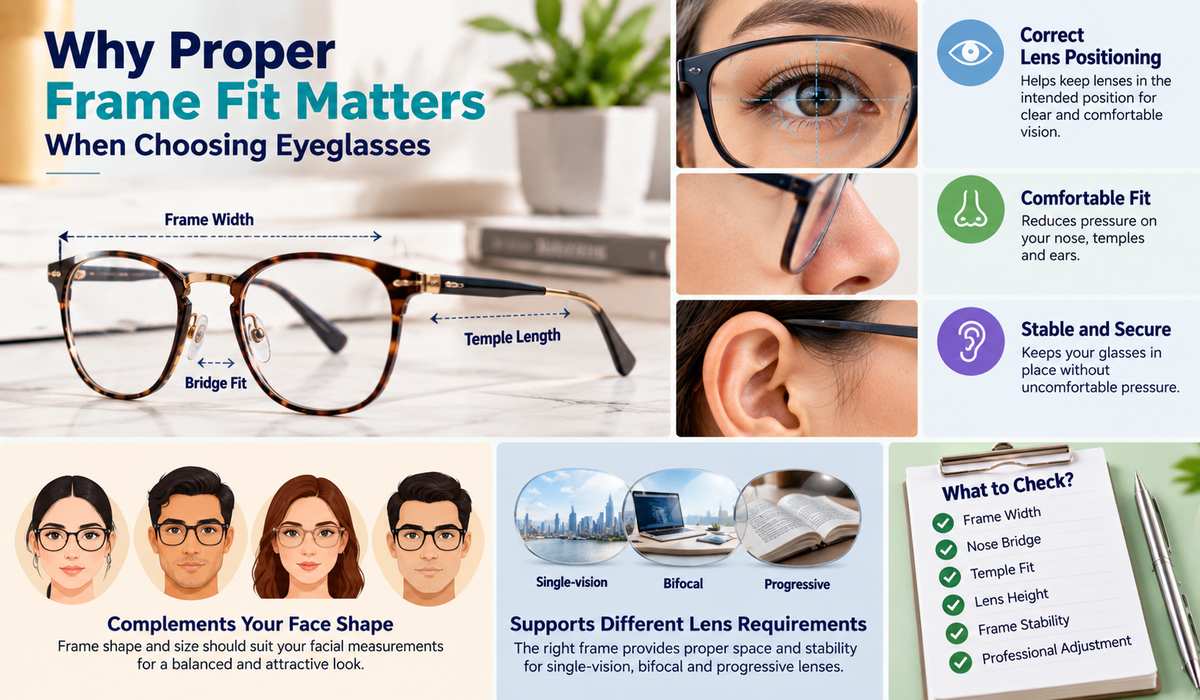
Why Is Proper Frame Fit Important?
- Helps Maintain Correct Lens Positioning
Eyeglass lenses are designed to work according to your prescription and specific fitting measurements. If the frame sits too low, tilts excessively, or moves frequently, the lenses may not remain in their intended position.
This is particularly important for progressive lenses, which require accurate fitting measurements to provide different viewing zones for distance, intermediate, and near vision.
- Improves Everyday Comfort
A frame that is too tight may put excessive pressure on your nose, temples, or ears. On the other hand, a loose frame may slide down your nose or move whenever you bend your head.
Choosing a frame with the appropriate width, bridge fit, and temple length can help reduce these problems and make glasses more comfortable during extended use.
- Complements Your Face Shape
Frame width, lens shape, bridge design, and temple length all influence how eyeglasses look and fit.
A frame that suits your facial measurements can create a balanced appearance without being excessively tight or loose. However, appearance should always be considered alongside comfort and functional requirements.
- Supports Different Lens Requirements
Not every frame is suitable for every type of prescription. Single-vision lenses generally have different fitting considerations from bifocal and progressive lenses.
For example, progressive lenses require sufficient vertical space and accurate fitting height. The frame must also remain stable so that the lenses stay properly positioned during normal use.
What Should You Check Before Buying Eyeglasses?
Before selecting a frame, consider these important factors:
- Frame Width: The frame should fit your face comfortably without excessive pressure at the temples.
- Nose Bridge: The frame should rest securely on your nose without pinching or sliding down frequently.
- Temple Fit: The arms should hold the glasses securely without creating uncomfortable pressure behind your ears.
- Lens Height: Ensure the frame provides enough space for your prescribed lens design.
- Frame Stability: The glasses should remain reasonably stable when you move your head during everyday activities.
- Professional Adjustment: Ask an optician to adjust the frame and check the lens positioning before finalising your purchase.
Common Mistakes to Avoid When Choosing Eyeglasses
Choosing glasses based only on appearance can lead to an uncomfortable fit. Keep these common mistakes in mind:
- Selecting a frame without checking whether its width suits your face.
- Ignoring pressure around the nose, temples, or ears.
- Choosing a frame that frequently slides down.
- Overlooking the fitting requirements of bifocal or progressive lenses.
- Assuming that every frame is suitable for every prescription.
- Skipping professional frame adjustment after purchasing new glasses.
Paying attention to these details can help you choose eyewear that combines appearance, comfort, and functionality.
Frequently Asked Questions (FAQ)
- Why Is Proper Frame Fit Important?
Proper frame fit helps keep the lenses in their intended position and allows the glasses to remain comfortable and stable during everyday use.
- Can an Incorrectly Fitted Frame Affect Vision?
An unsuitable frame position may affect how you look through your lenses, particularly with progressive lenses. However, blurred vision can also result from an incorrect prescription or other fitting issues. Persistent problems should be assessed by an eye care professional.
- How Should Eyeglasses Fit on the Nose?
The frame should rest securely without pinching the nose or sliding down frequently. The fit should feel stable and comfortable during normal activities.
- Does Frame Size Matter When Choosing Progressive Lenses?
Yes. Progressive lenses have specific fitting requirements, including minimum fitting-height requirements that vary by lens design. The selected frame should provide sufficient space for the intended lenses.
- Should I Have My Glasses Adjusted Professionally?
Yes. A qualified optician can check the frame’s position, comfort, and stability and make appropriate adjustments to improve the fit.
Conclusion
Choosing eyeglasses is about more than finding a beautiful frame. The right pair should combine attractive design, comfortable fitting, stability, and appropriate lens positioning.
Before purchasing your next pair, consider how the frame fits your face, whether it meets your prescription requirements, and whether it remains comfortable throughout the day.
Remember: the best eyeglasses are not simply the ones that look good—they are the ones that fit well and meet your visual needs.
For the best results, consult a qualified optician who can assess your frame, prescription, and lens-fitting requirements.
References and Further Reading
- American Academy of Ophthalmology (AAO) — Eyeglasses and Contact Lenses
Learn more about eyeglasses, corrective lenses, and vision correction.
https://www.aao.org/eye-health/glasses-contacts/glasses
- American Academy of Ophthalmology — Tips for Choosing the Right Reading Glasses
Explore practical guidance on choosing reading glasses and understanding your vision needs.
https://www.aao.org/eye-health/tips-prevention/tips-choosing-right-reading-glasses
- Survey of Ophthalmology — Determining the Vertical and Horizontal Positioning of Multifocal and Progressive Lenses
Research-based information about the positioning of multifocal and progressive lenses.
https://pubmed.ncbi.nlm.nih.gov/9716195/
- American Academy of Ophthalmology — Refractive Errors & Refractive Surgery Preferred Practice Pattern
Professional clinical guidance relating to refractive errors and vision correction.
https://www.aaojournal.org/article/S0161-6420%2822%2900867-3/fulltext
Disclaimer: This article is intended for general educational purposes only. For an accurate prescription, appropriate lens positioning, and comfortable frame fitting, consult a qualified optician or eye care professional.