There is no item in your cart
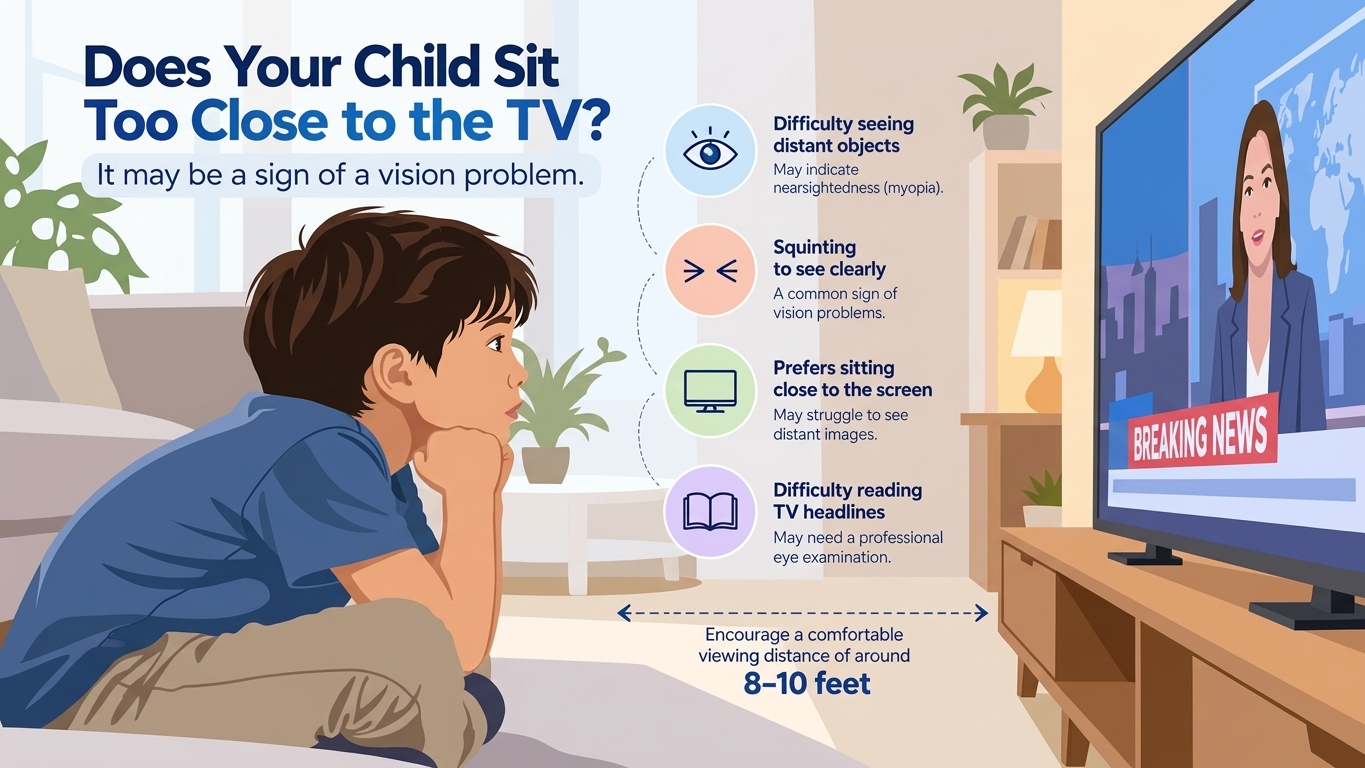
আপনার সন্তান কি টিভির খুব কাছে বসে?
আপনার সন্তান কি বারবার আপনার কথা অমান্য করে প্রিয় অনুষ্ঠান দেখার জন্য টেলিভিশনের একদম কাছে গিয়ে বসে? এটি কেবল একটি অভ্যাস নাও হতে পারে। আপনার সন্তান কীভাবে টিভি দেখছে এবং সে দূরের জিনিস ঠিকঠাক দেখতে পাচ্ছে কিনা, সেদিকে খেয়াল রাখুন।
অনেক অভিভাবকই লক্ষ্য করেন যে তাদের সন্তান টেলিভিশনের স্ক্রিনের দিকে এগিয়ে যায়, চোখ কুঁচকে (squint) তাকায় বা দূর থেকে লেখা পড়তে সমস্যা বোধ করে। এই আচরণগুলো মানেই যে চোখের সমস্যা, তা নয়। তবে এটি কোনো কোনো ক্ষেত্রে চোখের কোনো সমস্যা, যেমন—ক্ষীণদৃষ্টি বা মাইওপিয়া (myopia)-এর লক্ষণ হতে পারে। সন্তানকে আরামদায়ক দূরত্ব থেকে টিভি দেখতে উৎসাহিত করা এবং তার আচরণের দিকে নজর রাখলে আপনি সহজেই বুঝতে পারবেন যে কখন একজন চোখ বিশেষজ্ঞের পরামর্শ নেওয়া প্রয়োজন।
কেন আপনার সন্তান টিভির খুব কাছে বসতে পছন্দ করে?
টেলিভিশনের কাছাকাছি বসার পেছনে শিশুদের বেশ কিছু কারণ থাকতে পারে। কেউ কেউ স্ক্রিনের খুব কাছে থেকে দেখার রোমাঞ্চ পছন্দ করে, আবার কেউ কেউ দূরের জিনিস স্পষ্ট দেখতে পায় না। সম্ভাব্য কারণগুলো নিচে দেওয়া হলো:
- দূরের জিনিস দেখতে সমস্যা হওয়া: মাইওপিয়ায় আক্রান্ত একটি শিশু কাছের জিনিস স্পষ্ট দেখলেও ঘরের অন্য প্রান্ত থেকে টিভির ছবি বা লেখা দেখতে সমস্যায় পড়তে পারে।
- স্পষ্ট দেখার জন্য চোখ কুঁচকানো: দূরের জিনিস যাতে একটু স্পষ্ট দেখায়, সেজন্য শিশুরা অনেক সময় চোখ ছোট বা কুঁচকে দেখার চেষ্টা করে।
- দেখার অভ্যাস: কিছু শিশুর দৃষ্টিশক্তি স্বাভাবিক থাকা সত্ত্বেও তারা স্ক্রিনের কাছে বসতেই বেশি পছন্দ করে।
- অপ্রকাশিত দৃষ্টি সমস্যা: শিশুরা অনেক সময় বুঝতে পারে না যে তারা ঝাপসা দেখছে, কারণ তারা হয়তো কখনোই পুরোপুরি স্পষ্ট দৃষ্টি কেমন হয় তা অনুভব করেনি।
টিভির কাছে বসা মানেই যে শিশুর চোখ খারাপ, তা নয়। তবে এই আচরণটি ঘনঘন ঘটলে চোখের অন্যান্য লক্ষণের দিকেও মনোযোগ দেওয়া উচিত।
শিশুদের টেলিভিশন থেকে কত দূরে বসা উচিত?
একটি ব্যবহারিক সমাধান হিসেবে, আপনি আপনার সন্তানকে টেলিভিশন থেকে প্রায় ৮-১০ ফুট দূরত্বে বসার পরামর্শ দিতে পারেন, যদি ঘরের গঠন এবং স্ক্রিনের আকার অনুযায়ী এটি আরামদায়ক হয়। তবে এটি কোনো সার্বজনীন চিকিৎসাগত নিয়ম নয়। উপযুক্ত দূরত্ব নির্ভর করে টিভির আকার, রেজোলিউশন, ঘরের আলো এবং শিশুর স্বাচ্ছন্দ্যের ওপর। তাই জোর করে একটি নির্দিষ্ট দূরত্বে বসিয়ে না রেখে লক্ষ্য করুন যে সে চোখ কুঁচকে বা সামনের দিকে ঝুঁকে না পড়ে স্বাচ্ছন্দ্যে দেখতে পাচ্ছে কিনা।
আপনার সন্তান কি টিভির খবরের হেডলাইন পড়তে পারে?
সহজেই বোঝার একটি উপায় হলো, আপনার সন্তান তার স্বাভাবিক বসার স্থান থেকে টিভির বড় লেখাগুলো পড়তে পারছে কিনা তা খেয়াল করা। যেমন, কোনো খবরের অনুষ্ঠান দেখার সময় আপনি লক্ষ্য করতে পারেন যে সে:
- স্বাভাবিক দূরত্ব থেকে বড় হেডলাইনগুলো পড়তে সমস্যায় পড়ছে কিনা।
- লেখা পড়ার জন্য স্ক্রিনের আরও কাছে চলে যাচ্ছে কিনা।
- দেখার চেষ্টা করার সময় চোখ কুঁচকে বা মাথা বাঁকা করছে কিনা।
- টিভিতে কী লেখা আছে তা বারবার জানতে চাইছে কিনা।
- সমবয়সী অন্য বাচ্চাদের চেয়ে দূরের জিনিস কম দেখতে পাচ্ছে কিনা।
এই পর্যবেক্ষণগুলো আপনাকে সমস্যা অনুমান করতে সাহায্য করলেও, টিভির হেডলাইন পড়া চোখের দৃষ্টি পরীক্ষার কোনো নির্ভরযোগ্য উপায় নয়। লেখার আকার, স্ক্রিনের রেজোলিউশন এবং আলোর তারতম্য পড়ার ক্ষেত্রে প্রভাব ফেলতে পারে। যদি আপনার মনে হয় শিশুর দেখতে সমস্যা হচ্ছে, তবে একজন বিশেষজ্ঞ চিকিৎসকের মাধ্যমে চোখ পরীক্ষা করিয়ে নিন।
অন্যান্য লক্ষণ যা অভিভাবকদের এড়িয়ে যাওয়া উচিত নয়
টেলিভিশনের কাছে বসা ছাড়াও চোখের সমস্যার এই লক্ষণগুলো খেয়াল রাখুন:
- দূরের কোনো জিনিসের দিকে তাকানোর সময় ঘনঘন চোখ কুঁচকানো।
- স্কুলের ক্লাসরুমের বোর্ড দেখতে সমস্যা হওয়া।
- বই বা মোবাইল ফোন মুখের খুব কাছে ধরে রাখা।
- ঘনঘন চোখ ডলানো বা চোখ ব্যথার কথা বলা।
- পড়ার বা দেখার কাজের সাথে জড়িত মাথাব্যথা।
- স্পষ্ট দেখার জন্য এক চোখ বন্ধ করা।
- দূর থেকে পরিচিত মানুষ বা জিনিস চিনতে সমস্যা হওয়া।
শিশুরা সব সময় দৃষ্টি ঝাপসা হওয়ার কথা নিজে থেকে বলতে পারে না। তাই প্রাথমিক অবস্থায় পরীক্ষা করালে চোখের সমস্যা দ্রুত ধরা পড়ে এবং সঠিক চিকিৎসা করা সহজ হয়।
টিভির খুব কাছে বসলে কি শিশুর চোখের ক্ষতি হয়?
টিভির খুব কাছে বসলে চোখের স্থায়ী কোনো ক্ষতি হয়—এমন কোনো প্রতিষ্ঠিত চিকিৎসা প্রমাণ নেই। তবে দীর্ঘক্ষণ ধরে স্ক্রিনের দিকে তাকিয়ে থাকলে সাময়িকভাবে চোখের ওপর চাপ (eye strain), মাথাব্যথা বা চোখ শুকিয়ে যাওয়ার (dry eyes) মতো সমস্যা হতে পারে। আসল চিন্তার বিষয় হলো, শিশুটি দূর থেকে দেখতে পায় না বলেই কাছে বসছে কিনা। অভিভাবক হিসেবে আপনার উচিত শিশুদের স্ক্রিন থেকে বিরতি নেওয়া, আউটডোর খেলাধুলা করা এবং স্ক্রিন টাইমের একটি নির্দিষ্ট সময়সীমা বেঁধে দেওয়া।
অভিভাবকদের করণীয় কী?
যদি আপনার সন্তান বারবার টিভির কাছে বসে বা দূরের লেখা পড়তে কষ্ট পায়, তবে এই পদক্ষেপগুলো নিন:
- শিশুকে বারবার বকাঝকা না করে আরামদায়ক দূরত্ব থেকে দেখতে উৎসাহিত করুন।
- অন্য কোনো ক্ষেত্রেও শিশু চোখ কুঁচকে তাকাচ্ছে বা সামনের দিকে ঝুঁকছে কিনা তা খেয়াল করুন।
- ঘরের আলোর কারণে স্ক্রিনে যেন কোনো প্রতিফলন (glare) না ঘটে তা নিশ্চিত করুন।
- সমস্যাটি দূর না হলে একজন রেজিস্টার্ড চক্ষু বিশেষজ্ঞের কাছে নিয়ে যান।
- ডাক্তার যদি চশমা বা অন্য কোনো পরামর্শ দেন, তবে তা সঠিকভাবে মেনে চলুন।
শৈশবেই চোখের সমস্যা দ্রুত ধরা পড়া অত্যন্ত জরুরি, কারণ দৃষ্টির সমস্যা শিশুর পড়াশোনা ও মানসিক বিকাশে বাধা সৃষ্টি করতে পারে।
উপসংহার
আপনার সন্তান যদি বারবার আপনার কথা এড়িয়ে টিভির কাছে চলে যায়, তবে এটিকে কেবল তার জেদ বা দুষ্টুমি মনে করবেন না। সে দূরের জিনিস সহজে দেখতে পাচ্ছে কিনা তা বোঝার চেষ্টা করুন। সবচেয়ে গুরুত্বপূর্ণ বিষয়টি হলো কেবল শিশুকে টিভি থেকে দূরে সরিয়ে দেওয়া নয়, বরং সে কেন এত কাছে বসতে চাচ্ছে সেই আসল কারণটি খুঁজে বের করা। যদি দূরের জিনিস দেখতে স্থায়ী কোনো সমস্যা লক্ষ্য করেন, তবে অবহেলা না করে একজন চক্ষু বিশেষজ্ঞের পরামর্শ নিন।
সতর্কতা: এই নিবন্ধটি কেবলমাত্র সাধারণ সচেতনতার জন্য। টিভির কাছে বসা বা হেডলাইন পড়তে না পারা সরাসরি কোনো রোগের সুনির্দিষ্ট প্রমাণ নয়। আপনার সন্তানের দৃষ্টি নিয়ে কোনো সংশয় থাকলে অবশ্যই একজন চক্ষু বিশেষজ্ঞের পরামর্শ নিন।
Why Does Your Child Prefer Sitting Close to the TV?
Children may sit close to the television for several reasons. Some enjoy an immersive viewing experience, while others may have difficulty seeing distant images clearly.
Possible reasons include:
- Difficulty seeing distant objects: A child with nearsightedness may see nearby objects clearly but struggle to see images or text on a television from across the room.
- Squinting to see clearly: Children sometimes narrow their eyes in an attempt to make distant objects appear clearer.
- Viewing habits: Some children simply prefer sitting close to the screen, even when their vision is normal.
- Unrecognised vision problems: Children may not realise that their vision is blurry because they have never experienced clear distance vision.
Sitting close to the television does not automatically mean your child has poor eyesight. However, if this behaviour happens frequently, it is worth paying attention to other signs of possible vision difficulties.
How Far Should Children Sit From the Television?
As a practical starting point, you can encourage your child to sit approximately 8–10 feet away from the television when the room layout and screen size make this comfortable.
However, this is not a universal medical rule. The appropriate viewing distance depends on the television’s size, resolution, viewing conditions, and the child’s ability to see comfortably.
Instead of forcing your child to maintain a fixed distance, observe whether they can comfortably see the images and text without squinting, leaning forward, or repeatedly moving closer.
Can Your Child Read News Headlines on the TV?
One simple observation is to notice whether your child can comfortably recognise large text displayed on the television from their usual viewing position.
For example, while watching a news programme, you might notice whether your child:
- Struggles to recognise large headlines from a normal viewing distance.
- Moves closer to read text displayed on the screen.
- Squints or tilts their head while trying to see.
- Frequently asks what is written on the television.
- Sees distant objects less clearly than other children of a similar age.
These observations can help you identify a possible concern, but reading television headlines is not a reliable eyesight test. Text size, screen resolution, contrast, and viewing distance can all affect readability.
If you suspect that your child is struggling to see clearly, arrange an age-appropriate vision screening or eye examination with a qualified eye care professional.
Other Warning Signs Parents Should Not Ignore
In addition to sitting close to the television, watch for these possible signs of vision problems:
- Frequent squinting when looking at distant objects.
- Difficulty seeing the classroom board.
- Holding books or mobile devices unusually close to the face.
- Frequent eye rubbing or complaints of eye strain.
- Headaches associated with visual activities.
- Closing one eye to see more clearly.
- Difficulty recognising people or objects from a distance.
Children do not always complain about blurred vision. Early assessment can help identify refractive errors and other eye conditions that may require treatment.
Does Sitting Too Close to the TV Damage Children’s Eyes?
Sitting close to the television does not, by itself, have established evidence of causing permanent eye damage. However, prolonged screen viewing may contribute to temporary eye strain, headaches, or dry eyes.
The more important concern is whether a child is sitting close because they cannot see distant images clearly.
Parents can encourage regular breaks from screens, comfortable viewing conditions, outdoor play, and age-appropriate limits on recreational screen time.
What Should Parents Do?
If your child repeatedly sits close to the television or struggles to recognise distant text, consider these steps:
- Encourage a comfortable viewing distance rather than repeatedly scolding the child.
- Observe whether the child squints, leans forward, or struggles to see distant objects in other settings.
- Ensure that the television is clearly visible and that room lighting does not create distracting glare.
- Arrange a professional eye examination if the behaviour persists or other warning signs appear.
- Follow the eye care professional’s advice if glasses or further assessment are recommended.
Early detection is especially important during childhood because vision problems can affect learning and visual development.
Conclusion
If your child repeatedly ignores your instructions and moves close to the television, do not assume that it is simply stubborn behaviour. Observe whether they can see distant images comfortably and look for other signs of possible vision difficulties.
Encouraging a comfortable viewing distance of around 8–10 feet may be a useful starting point, depending on the television and room setup. However, the ability to read news headlines should not be used as a substitute for a proper vision assessment.
The most important step is not simply moving your child away from the TV—it is understanding why they may prefer sitting so close.
If you notice persistent difficulty seeing distant objects, consult a qualified eye care professional for appropriate vision screening or a comprehensive eye examination.
References and Further Reading
- American Association for Pediatric Ophthalmology and Strabismus (AAPOS) — Refractive Errors in Children
Explains common childhood vision problems, including myopia, and signs that may indicate a need for glasses.
https://www.aapos.org/glossary/refractive-errors-in-children
- American Academy of Ophthalmology (AAO) — Vision Screening
Information on the importance of childhood vision screening and early detection of eye problems.
https://www.aao.org/advocacy/issues/public-health-safety/vision-screening
- American Association for Pediatric Ophthalmology and Strabismus — Screen Time and Online Learning
Guidance on screen use, eye strain, comfortable viewing conditions, and when children may need an eye examination.
https://aapos.org/glossary/screen-time-and-online-learning
- HealthyChildren.org — Give Your Child’s Eyes a Screen-Time Break: Here’s Why
Explains how prolonged screen use can contribute to eye fatigue, blurry vision, and dry eyes, and discusses practical ways to support children’s visual comfort.
Disclaimer: This article is intended for general educational purposes only. Sitting close to a television or having difficulty reading headlines does not establish a diagnosis. Consult a qualified eye care professional if you have concerns about your child’s vision.