
There is no item in your cart
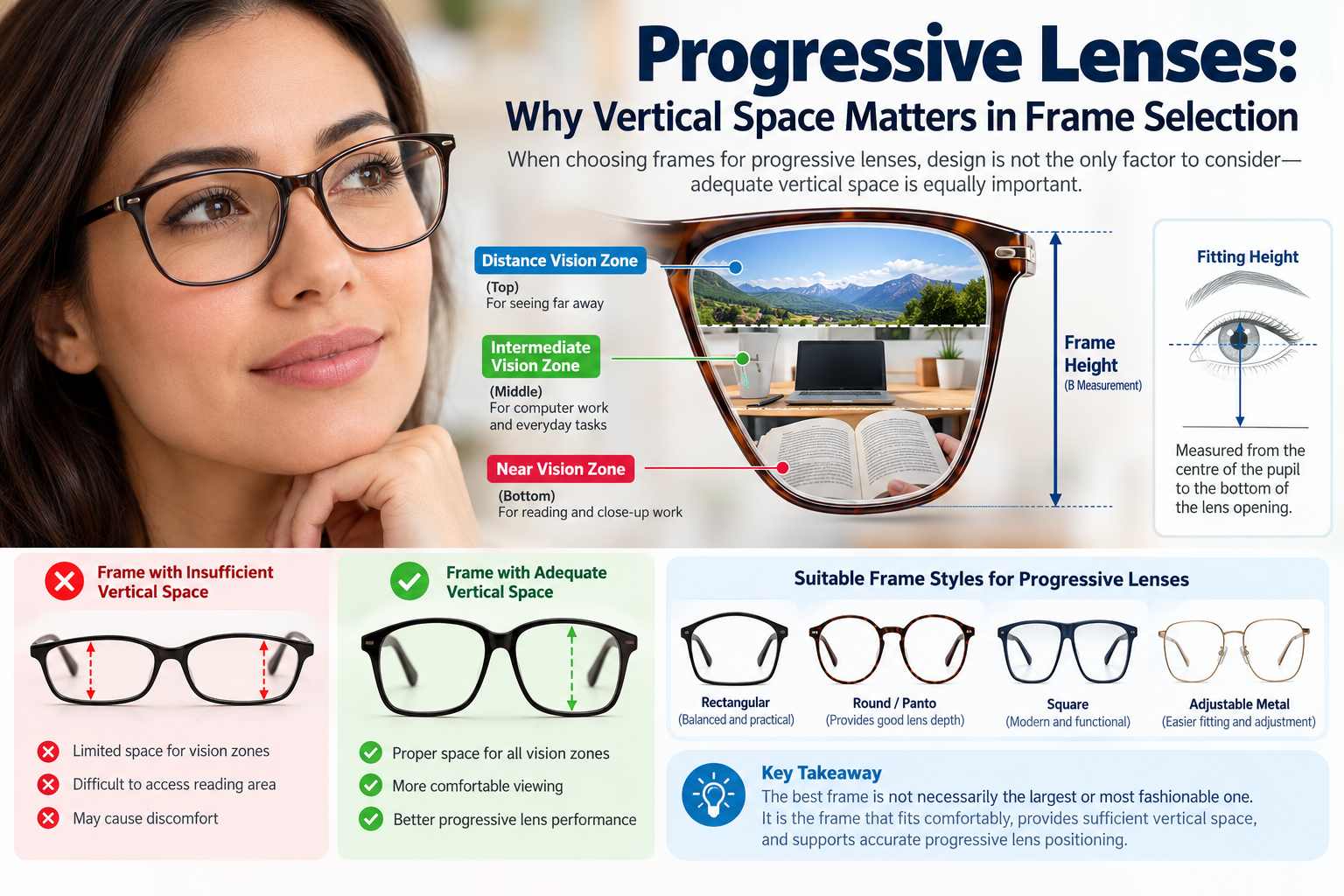
বাইফোকাল চশমায় ফ্রেমের উচ্চতা কেন গুরুত্বপূর্ণ: লেন্সের সঠিক অবস্থানের একটি সম্পূর্ণ গাইড
বাইফোকাল চশমা কেনার সময় ফ্রেমের উচ্চতা কেবল সুন্দর দেখানোর বিষয় নয়—লেন্সটি চোখের সামনে ঠিকঠাক বসার ক্ষেত্রেও এটি অত্যন্ত গুরুত্বপূর্ণ ভূমিকা পালন করে। সঠিক ফ্রেম বেছে নিলে দূরের এবং কাছের দেখার জন্য তৈরি লেন্সের দুটি আলাদা অংশ চোখের ঠিক সোজা বরাবর থাকে। অন্যথায়, ফ্রেমের উচ্চতা ঠিক না হলে বা লেন্সের নিচের অংশটি ভুল জায়গায় থাকলে চোখের অস্বস্তি, পড়তে সমস্যা কিংবা দূর থেকে কাছের জিনিসে তাকানোর সময় চোখের ওপর বাড়তি চাপ পড়তে পারে।
অনেকেই চশমা কেনার সময় শুধু ফ্রেমের ডিজাইন, রঙ, ব্র্যান্ড বা মুখের সাথে কেমন মানাচ্ছে—তা দেখেন। কিন্তু লেন্সের লম্বালম্বি উচ্চতা এবং বাইফোকাল সেগমেন্টের (কাছের দেখার অংশ) অবস্থানও সমান গুরুত্বপূর্ণ। বাইফোকাল লেন্স এমনভাবে তৈরি করা হয় যাতে একজন মানুষ খুব স্বাভাবিকভাবেই দূরের ও কাছের জিনিস দেখতে পারেন। এই গাইডে আমরা জানবো ফ্রেমের উচ্চতা কেন এত জরুরি, ফ্রেমের উচ্চতা ও সেগমেন্টের উচ্চতার তফাত, এবং ভুল মাপের চশমা পরলে কী কী সমস্যা হতে পারে।
বাইফোকাল চশমা কী এবং এটি কীভাবে কাজ করে?
বাইফোকাল চশমার সাহায্যে একটি লেন্সের মাধ্যমেই দুটি ভিন্ন দূরত্বের জিনিস স্পষ্ট দেখা যায়। সাধারণত এই লেন্সের ওপরের অংশ দিয়ে দূরের জিনিস এবং নিচের অংশ দিয়ে কাছের কাজ, যেমন—বই পড়া, পত্রিকা পড়া বা মোবাইল স্ক্রিন দেখা হয়।
বয়স বাড়ার সাথে সাথে আমাদের চোখ স্বাভাবিকভাবেই কাছের জিনিসের ওপর ফোকাস করার ক্ষমতা কিছুটা হারিয়ে ফেলে। চিকিৎসার ভাষায় একে বলা হয় প্রিসবায়োপিয়া (Presbyopia)। চোখের পাওয়ার এবং প্রয়োজনের ওপর ভিত্তি করে চিকিৎসকেরা এই সমস্যার সমাধানে বাইফোকাল লেন্স ব্যবহারের পরামর্শ দেন।
একটি সাধারণ বাইফোকাল লেন্সের মূল অংশগুলো হলো:
দূরের ভিশন জোন: লেন্সের ওপরের বড় অংশ, যা দূরের জিনিস দেখার জন্য ব্যবহৃত হয়।
কাছের ভিশন জোন: লেন্সের নিচের অংশ, যা পড়া বা অন্যান্য কাছের কাজের জন্য ব্যবহার করা হয়।
সেগমেন্ট লাইন: লেন্সের দুটি আলাদা অংশের মাঝখানের স্পষ্ট বিভাজন রেখা।
কাছের ও দূরের জিনিস দেখার সময় চোখ যাতে সহজেই সঠিক অংশে পৌঁছাতে পারে, সেজন্য এই জোনগুলোর অবস্থান ঠিক থাকা জরুরি। আরও বিস্তারিত জানতে আমেরিকান একাডেমি অফ অফথালমোলজি-এর ওয়েবসাইট ভিজিট করতে পারেন।
বাইফোকাল চশমার জন্য ফ্রেমের উচ্চতা কেন গুরুত্বপূর্ণ?
বাইফোকাল চশমার ফ্রেম নির্বাচনের সময় শুধু ফ্যাশন দেখলেই চলবে না। ফ্রেমের ভেতরের লম্বালম্বি ফাঁকা জায়গাটি এমন হতে হবে যাতে লেন্সের রিডিং অংশটি সঠিক উচ্চতায় বসানো যায়। এখানে একটি বিষয় মনে রাখা জরুরি—ফ্রেমের উচ্চতা এবং বাইফোকাল সেগমেন্টের উচ্চতা এক জিনিস নয়।
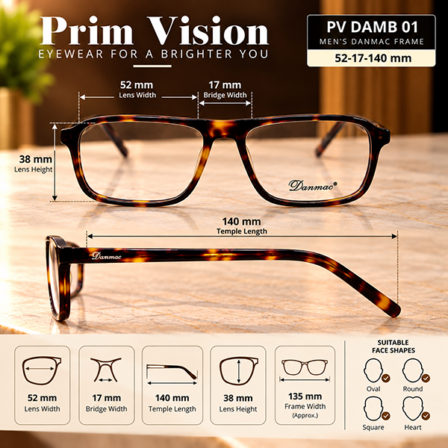
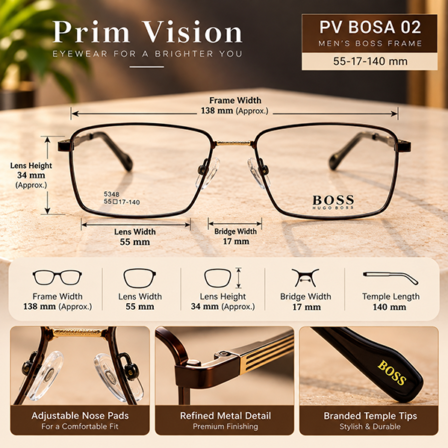
ফ্রেমের উচ্চতা (যাকে চশমার ভাষায় ‘B measurement’ বলা হয়) হলো লেন্সের ফ্রেমটির ওপর থেকে নিচ পর্যন্ত লম্বালম্বি মাপ। আর সেগমেন্টের উচ্চতা হলো লেন্সের একেবারে নিচের প্রান্ত থেকে শুরু করে বাইফোকাল (কাছের দেখার) অংশের ওপরের সীমানা পর্যন্ত দূরত্ব। ফ্রেমের লম্বালম্বি জায়গা যদি পর্যাপ্ত না হয়, তবে কাছের দেখার অংশটি চোখের সঠিক মাপে বসানো কঠিন হয়ে পড়ে।
১. সঠিক সেগমেন্ট উচ্চতা নির্ধারণে সাহায্য করে
বাইফোকাল চশমা ফিট করার জন্য সেগমেন্টের উচ্চতা সঠিকভাবে মাপা অন্যতম প্রধান কাজ। সাধারণত, সোজা তাকিয়ে থাকা অবস্থায় চোখের মণির নিচের অংশকে (Lower Limbus) প্রাথমিক মাপ হিসেবে ধরা হয়। তবে এটি সবার জন্য এক নয়। মানুষের মুখের গঠন, চোখের অবস্থান, ফ্রেমের ফিটিং, মাথা সোজা রাখার ধরন এবং দৈনন্দিন কাজের ওপর ভিত্তি করে এই মাপ কম-বেশি হতে পারে। একজন অপটিশিয়ান প্রথমে ফ্রেমটি আপনার মুখে ভালো করে সেট করবেন এবং তারপর চোখের সাপেক্ষে এর সঠিক মাপটি নেবেন।
২. কাছের কাজগুলোকে সহজ করে তোলে
লেন্সের নিচের অংশটি পড়ার জন্য নির্দিষ্ট থাকে। এই অংশটি যদি চোখের স্বাভাবিক দৃষ্টিসীমার চেয়ে অনেক নিচে নেমে যায়, তবে পড়ার সময় আপনাকে মাথা অনেক বেশি ঝুঁকিয়ে রাখতে হবে। আবার এটি যদি বেশি ওপরে উঠে যায়, তবে দূরের কোনো জিনিসের দিকে তাকাতে গেলেও কাছের লেন্সটি চোখের সামনে চলে আসবে এবং চারপাশ ঝাপসা লাগবে। ফ্রেমের উচ্চতা ঠিক থাকলে দূরের থেকে কাছের জিনিসে চোখ নেওয়া খুব সহজ ও আরামদায়ক হয়।
৩. সারাদিনের আরাম নিশ্চিত করে
চশমা শুধু দৃষ্টি পরিষ্কার করার জন্য নয়, এটি পরে যেন আরাম পাওয়া যায় সেদিকেও খেয়াল রাখা উচিত। ফ্রেমের ফিটিং ভালো না হলে চশমা বারবার নাক দিয়ে নিচে নেমে যেতে পারে, যার ফলে পড়ার সময় বারবার চশমা ঠিক করতে হয় বা মাথা নাড়াতে হয়। তবে অস্বস্তির কারণ কেবল ফ্রেমের উচ্চতা নাও হতে পারে—ভুল পাওয়ার, লেন্সের ত্রুটিপূর্ণ ডিজাইন, ফ্রেমের বাঁকানো ভাব বা নতুন চশমার সাথে মানিয়ে নেওয়ার প্রাথমিক দিনগুলোতেও এমন হতে পারে। অভিজ্ঞ কাউকে দিয়ে চশমা ফিট করালে এই সমস্যাগুলো এড়ানো সম্ভব।
ফ্রেমের উচ্চতা ও সেগমেন্টের উচ্চতার মধ্যে পার্থক্য কী?
অনেকেই এই দুটি মাপকে গুলিয়ে ফেলেন, কিন্তু চশমা তৈরির ক্ষেত্রে এদের কাজ সম্পূর্ণ আলাদা।
ফ্রেমের উচ্চতা (Frame Height): এটি হলো চশমার ফ্রেমের ভেতরের অংশের ওপরের প্রান্ত থেকে নিচের প্রান্ত পর্যন্ত লম্বালম্বি দৈর্ঘ্য। এটি দেখে বোঝা যায় লেন্সে কতটুকু জায়গা পাওয়া যাবে।
সেগমেন্টের উচ্চতা (Segment Height): এটি লেন্সের একদম নিচের বর্ডার থেকে শুরু করে বাইফোকাল সেগমেন্টের ওপরের লাইন পর্যন্ত দূরত্ব। এটি নির্ধারণ করে লেন্সের ঠিক কোন জায়গায় কাছের দেখার অংশটি থাকবে।
ধরা যাক, দুটি ভিন্ন ফ্রেমের উচ্চতা এক, কিন্তু তাদের ডিজাইন বা নাকে বসার ধরন আলাদা। সেক্ষেত্রে একই সেগমেন্ট উচ্চতা দুটি ফ্রেমে দুরকম আচরণ করতে পারে। তাই শুধু ফ্রেমের সাইজ দেখে চশমা না বানিয়ে, ফ্রেমটি মুখে পরার পর চোখের অবস্থান মেপে লেন্সের কাটিং করা উচিত।
বাইফোকাল চশমার জন্য ছোট ফ্রেম কি উপযুক্ত?
আজকাল ছোট ও স্লিম ফ্রেমের বেশ চল রয়েছে। কিন্তু সব ছোট ফ্রেম বাইফোকাল লেন্সের জন্য উপযোগী নয়। ফ্রেমের লম্বালম্বি জায়গা খুব কম হলে কাছের দেখার অংশটি বসানোর মতো পর্যাপ্ত জায়গা থাকে না। এতে পড়ার জন্য খুব ছোট একটি অংশ পাওয়া যায়, যা দিয়ে পড়তে কষ্ট হতে পারে।
ছোট ফ্রেম কেনার আগে নিচের বিষয়গুলো নিশ্চিত হোন:
ফ্রেমটিতে বাইফোকাল লেন্সের দুটি অংশ ঠিকমতো বসানোর জায়গা আছে কিনা।
ডাক্তার যে সেগমেন্ট উচ্চতা লিখেছেন, তা এই ফ্রেমে দেওয়া সম্ভব কিনা।
পড়ার সময় চোখের সামনে পর্যাপ্ত চওড়া ভিউ পাওয়া যাবে কিনা।
ফ্রেমটি নাকের ওপর শক্ত ও আরামদায়কভাবে বসে থাকে কিনা।
কোনো ফ্রেম বাইফোকালের জন্য উপযুক্ত কিনা, তা ফ্রেমের বাহ্যিক রূপ দেখে নয়, বরং এর ভেতরের সঠিক মাপ ও ফিটিং দেখে ঠিক করা উচিত।
বড় ফ্রেম হলেই কি বাইফোকাল চশমা ভালো হবে?
না, বড় ফ্রেম মানেই যে বাইফোকাল লেন্সের জন্য ভালো হবে—এমন কোনো কথা নেই। যদিও বড় ফ্রেমে লেন্সের জন্য বেশি জায়গা পাওয়া যায়, কিন্তু ফ্রেমটি যদি ঢিলেঢালা হয়, বারবার নাক থেকে পিছলে পড়ে বা চোখের সোজা লাইনে না থাকে, তবে লেন্সের অবস্থান ভুল হয়ে যাবে। তাছাড়া বড় বা ভারী ফ্রেম বেশিক্ষণ পরে থাকলে কানে বা নাকে ব্যথা হতে পারে।
তাই ফ্রেম বেছে নেওয়ার সময় এর ওজন, স্থায়িত্ব, মুখের সাথে ফিটিং এবং লেন্সের সঠিক অবস্থান—সবকিছু বিবেচনা করতে হবে। সবচেয়ে ভালো ফ্রেম সেটিই, যা মুখে ভালোভাবে আটকে থাকে এবং চোখের সঠিক মাপ নিতে সাহায্য করে।
লেন্সের অবস্থান (Segment Height) ভুল হলে কী কী সমস্যা হতে পারে?
চশমায় বাইফোকাল অংশের অবস্থান ঠিক না থাকলে প্রতিদিনের ব্যবহারে নানা রকম সমস্যা দেখা দিতে পারে।
১. সেগমেন্ট বেশি নিচে হলে:
পড়ার সময় মাথা অনেক বেশি নিচের দিকে ঝুঁকিয়ে রাখতে হয়।
লেন্সের রিডিং অংশে চোখ নিয়ে যেতে কষ্ট হয়।
দীর্ঘক্ষণ পড়ার ফলে ঘাড় বা পিঠে ব্যথা হতে পারে।
২. সেগমেন্ট বেশি ওপরে হলে:
সোজা দূরের দিকে তাকানোর সময়ও নিচের রিডিং লেন্স চোখের সামনে চলে আসে।
দূর থেকে কাছে বা কাছ থেকে দূরে তাকানোর সময় চোখ দ্রুত ক্লান্ত হয়ে পড়ে।
স্বাভাবিকভাবে তাকানোর জন্য বারবার মাথা বা চোখ নাড়াতে হয়।
লেন্সের সীমানায় তাকানোর সমস্যা (Image Jump)
সাধারণ বাইফোকাল লেন্সের মাঝখানের দাগ বা সীমানার দিকে তাকালে হঠাৎ করে মনে হতে পারে সামনের বস্তুটি কিছুটা সরে গেছে। লেন্সের ডিজাইনের কারণে এমনটা ঘটে, যাকে ‘ইমেজ জাম্প’ বলা হয়। এটি ফ্রেমের ভুলের জন্য নয়, বরং লেন্সের নিজস্ব বৈশিষ্ট্যের কারণে হয়।
এছাড়া বাইফোকাল চশমা পরে নিচের দিকে তাকিয়ে সিঁড়ি দিয়ে নামার সময় সিঁড়িগুলো ঝাপসা বা উঁচুনীচু মনে হতে পারে। তাই বিশেষ করে নতুন চশমা ব্যবহারের শুরুর দিনগুলোতে সিঁড়ি দিয়ে হাঁটার সময় বাড়তি সতর্কতা অবলম্বন করা উচিত।
জরুরি সতর্কতা: চশমা পরার পর যদি অনবরত মাথা ব্যথা, চোখ ঝাপসা হওয়া বা তীব্র অস্বস্তি হয়, তবে নিজে নিজে চশমা অ্যাডজাস্ট করার চেষ্টা না করে দ্রুত কোনো চক্ষু বিশেষজ্ঞ বা অভিজ্ঞ অপটিশিয়ানের পরামর্শ নিন।
বাইফোকাল ফ্রেম কেনার আগে যা যা চেক করবেন
একটি ভালো চশমা বেছে নেওয়ার জন্য শুধু সুন্দর লুক দেখাই যথেষ্ট নয়, নিচের বিষয়গুলোও খেয়াল রাখুন:
লম্বালম্বি উচ্চতা দেখে নিন: ফ্রেমের ডিজাইন যা-ই হোক না কেন, লেন্সের ওপর-নিচ বরাবর যেন পর্যাপ্ত জায়গা থাকে, তা নিশ্চিত করুন।
ফিটিং পরীক্ষা করুন: ফ্রেমটি নাকের ওপর সোজা বসছে কিনা, মাথা ঝাঁকালে নড়ে যাচ্ছে কিনা বা একপাশে হেলে আছে কিনা তা খেয়াল করুন। চশমা পিছলে গেলে লেন্সের অবস্থানও বদলে যায়।
পেশাদারদের দিয়ে মাপ নিন: ফ্রেমটি আপনার মুখে সেট করার পরই কেবল চোখের মাপ বা সেগমেন্ট উচ্চতা মাপা উচিত। পুরোনো চশমার মাপ হুবহু নতুন ফ্রেমে কপি করলে ফিটিং ভুল হতে পারে।
আপনার দৈনন্দিন কাজের কথা ভাবুন: আপনি সারাদিন কী ধরনের কাজ করেন (যেমন—বই পড়া, মোবাইল চালানো, কম্পিউটারে কাজ করা নাকি বাইরে ঘুরে বেড়ানো) তা অপটিশিয়ানকে জানান। যদি আপনি কম্পিউটারের সামনে দীর্ঘক্ষণ কাজ করেন, তবে সাধারণ বাইফোকাল লেন্স আপনার জন্য পুরোপুরি আরামদায়ক নাও হতে পারে। সেক্ষেত্রে প্রোগ্রেসিভ বা অকুপেশনাল লেন্সের বিষয়ে ডাক্তারের সাথে কথা বলতে পারেন।
আগের চশমার অভিজ্ঞতা শেয়ার করুন: পুরোনো চশমা পরে আপনার কেমন লাগত, পড়তে কোনো সমস্যা হতো কিনা বা দূর-কাছে তাকাতে কষ্ট হতো কিনা—তা চশমা বিক্রেতাকে জানান। এতে তারা আপনার জন্য আরও ভালো চশমা তৈরি করতে পারবে।
বাইফোকাল, ট্রাইফোকাল এবং প্রোগ্রেসিভ লেন্সের মাপ কি একই?
না, এই লেন্সগুলোর ডিজাইন সম্পূর্ণ আলাদা এবং এদের ফিটিংয়ের নিয়মও ভিন্ন।
বাইফোকাল লেন্স (Bifocal): এতে কেবল দুটি জোন থাকে—দূরের এবং কাছের। এর জন্য ‘সেগমেন্ট হাইট’ মাপা জরুরি।
ট্রাইফোকাল লেন্স (Trifocal): এতে তিনটি জোন থাকে—দূর, মধ্যবর্তী (যেমন কম্পিউটার স্ক্রিন) এবং কাছ। এর মাপার পদ্ধতি বাইফোকালের চেয়ে আলাদা।
প্রোগ্রেসিভ লেন্স (Progressive): এই লেন্সে কোনো দাগ থাকে না এবং দূর থেকে কাছের পাওয়ার খুব মসৃণভাবে পরিবর্তিত হয়। এর জন্য অত্যন্ত নিখুঁত ‘ফিটিং হাইট’ এবং চোখের মণির কেন্দ্রের অবস্থান মাপতে হয়। প্রোগ্রেসিভ লেন্সের মাপকে কখনোই বাইফোকালের মাপের সাথে মেলানো যাবে না।
বাইফোকাল চশমা কেনার সময় সাধারণ কিছু ভুল (যা এড়ানো উচিত)
চশমা কেনার সময় সাধারণত মানুষ যে ভুলগুলো করে থাকে:
শুধু ফ্যাশন বা বাহ্যিক সৌন্দর্য দেখে ফ্রেম পছন্দ করা।
ফ্রেমের মোট উচ্চতা এবং লেন্সের রিডিং অংশের উচ্চতাকে এক মনে করা।
ভাবা যে—একই লেন্সের মাপ সবার চোখেই পারফেক্ট হবে।
মুখে ফ্রেমটি ঠিকঠাক না বসিয়েই আগেই চোখের মাপ নিয়ে নেওয়া।
নতুন ফ্রেমের ফিটিং পরীক্ষা না করেই পুরোনো চশমার মাপ হুবহু বসিয়ে দেওয়া।
চশমা পরার পর চোখ ঝাপসা হওয়া বা মাথা ব্যথা করাকে ‘নতুন চশমার সাধারণ সমস্যা’ মনে করে মানিয়ে নেওয়ার চেষ্টা করা।
এই ভুলগুলো এড়িয়ে চললে আপনি একটি নিখুঁত ও আরামদায়ক চশমা বেছে নিতে পারবেন।
সাধারণ কিছু প্রশ্ন ও উত্তর (FAQ)
১. বাইফোকাল চশমার জন্য সর্বনিম্ন ফ্রেমের উচ্চতা কত হওয়া দরকার?
— এর কোনো নির্দিষ্ট বা একক নিয়ম নেই। এটি নির্ভর করে আপনার লেন্সের ধরন, রিডিং অংশের সাইজ এবং ফ্রেমের শেপের ওপর। ফ্রেম কেনার আগে দোকানের অপটিশিয়ানের কাছ থেকে জেনে নেওয়া ভালো।
২. দুই চোখের জন্যই কি সেগমেন্টের উচ্চতা সমান হওয়া উচিত?
— সবসময় নয়। দুই চোখের পজিশন, মুখের গঠন বা ফ্রেমের নাকে বসার ভারসাম্যের ওপর ভিত্তি করে দুই চোখের মাপ সামান্য আলাদা হতে পারে। নিখুঁত ভিশনের জন্য প্রতিটি চোখের আলাদা মাপ নেওয়া দরকার।
৩. বাইফোকাল চশমার জন্য বড় ফ্রেম ভালো নাকি ছোট ফ্রেম?
— কোনোটিই ঢালাওভাবে ভালো বা মন্দ নয়। আসল বিষয় হলো ফ্রেমটি মুখে ঠিকমতো বসছে কিনা এবং পড়ার জন্য লেন্সে পর্যাপ্ত জায়গা পাওয়া যাচ্ছে কিনা।
৪. বাইফোকাল চশমা দিয়ে পড়তে কষ্ট হলে কী করব?
— চশমার পাওয়ার, ফ্রেমের ফিটিং এবং সেগমেন্টের উচ্চতা অভিজ্ঞ কাউকে দিয়ে পুনরায় চেক করান। সমস্যা না কমলে চক্ষু বিশেষজ্ঞের শরণাপন্ন হোন। নিজে নিজে চশমার ফ্রেম বাঁকাতে বা ঠিক করতে যাবেন না।
৫. বাইফোকাল চশমার বদলে কি প্রোগ্রেসিভ লেন্স ব্যবহার করা যায়?
— হ্যাঁ, যারা চশমার মাঝখানের দাগ পছন্দ করেন না এবং সব দূরত্বের জিনিস একটি লেন্সেই দেখতে চান, তাদের জন্য প্রোগ্রেসিভ লেন্স একটি চমৎকার বিকল্প। তবে এটি আপনার চোখের পাওয়ার ও কাজের সাথে মিলবে কিনা, তা ডাক্তারের সাথে আলোচনা করে ঠিক করুন।
উপসংহার
বাইফোকাল চশমার ক্ষেত্রে ফ্রেমের উচ্চতা কেবল স্টাইলের বিষয় নয়; এটি আপনার চোখের আরাম ও স্পষ্ট দেখার সাথে সরাসরি জড়িত। সঠিক ফ্রেম যেমন লেন্সে পর্যাপ্ত জায়গা দেয়, তেমনি অভিজ্ঞ অপটিশিয়ানের নিখুঁত মাপ আপনার চশমা ব্যবহারের অভিজ্ঞতাকে করে তোলে আনন্দদায়ক। তাই চশমা নির্বাচনের সময় ফ্রেমের লুকের পাশাপাশি এর লম্বালম্বি সাইজ ও ফিটিংয়ের দিকেও সমান নজর দিন।
Why Frame Height Matters in Bifocal Glasses: A Complete Guide to Proper Lens Positioning
In bifocal glasses, frame height is not just a matter of appearance—it also plays an important role in proper lens positioning. Choosing the right frame helps ensure that the two optical zones designed for distance and near vision are positioned appropriately for everyday use. On the other hand, an unsuitable frame height or incorrectly positioned bifocal segment may cause visual discomfort, difficulty while reading, or challenges when switching between different viewing distances.
Many people choose bifocal glasses based on frame design, colour, brand, and how well the frame suits their face. However, the vertical height of the lens opening and the position of the bifocal segment are equally important considerations. Bifocal lenses are designed with specific optical zones for different viewing distances. Proper fitting helps ensure that the wearer can look through the appropriate part of the lens naturally.
This guide explains why frame height matters in bifocal glasses, the difference between frame height and segment height, the effects of incorrect positioning, and the key factors to consider when choosing a suitable frame.
What Are Bifocal Glasses and How Do They Work?
Bifocal glasses are designed to correct vision at two different distances using two optical zones within the same lens. In conventional bifocal lenses, the upper portion is generally used for distance vision, while the lower portion is used for near tasks such as reading books, newspapers, or mobile phone screens.
As people age, the eyes may gradually lose their ability to focus on nearby objects. This age-related condition is known as presbyopia. Depending on an individual’s prescription and visual requirements, an eye care professional may recommend bifocal lenses to help manage this condition.
The main features of conventional bifocal lenses include:
- Distance Vision Zone: The upper portion of the lens, generally used for viewing distant objects.
- Near Vision Zone: The lower portion of the lens, used for reading and other close-up activities.
- Segment Line: The visible dividing line separating the two optical zones in conventional bifocal lenses.
The position of these zones is important because the wearer needs to look through the appropriate area of the lens when switching between distance and near vision.
For more information, visit the American Academy of Ophthalmology.
Why Is Frame Height Important for Bifocal Glasses?
When choosing frames for bifocal glasses, appearance alone is not enough. The vertical height of the lens opening must allow the prescribed bifocal segment to be positioned appropriately.
One important distinction is that frame height and bifocal segment height are not the same measurement.
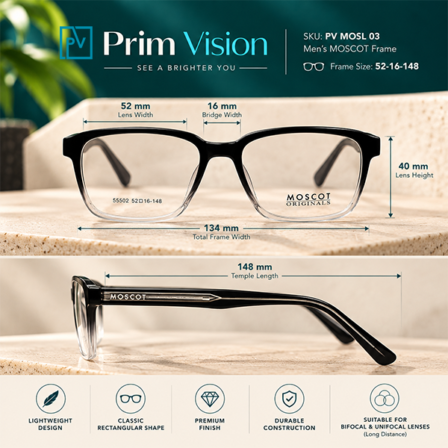
Frame height, commonly referred to as the B measurement in frame specifications, describes the vertical dimension of the lens opening. Segment height, on the other hand, is the vertical distance from the bottom of the lens to the top of the bifocal segment.
If the frame does not provide sufficient vertical space, or if it sits incorrectly on the wearer’s face, positioning the near-vision segment appropriately may become difficult.
For this reason, frame selection and lens fitting should always be considered together.
1. Helps Establish the Correct Segment Height
Segment height is one of the key measurements used when fitting bifocal glasses. For conventional flat-top bifocals, the top of the segment is often positioned near the lower edge of the iris, around the lower limbus, as an initial reference. However, this is not a universal rule for every wearer.
The final position may vary depending on facial anatomy, eye position, frame fit, natural head posture, and individual visual requirements.
To determine the appropriate segment height, an optician typically adjusts the frame on the wearer’s face and measures the position relative to the eyes.
Accurate measurement helps ensure that the near-vision segment is placed where it can be used comfortably and effectively.
2. Makes Near-Vision Tasks More Convenient
The lower portion of a bifocal lens is designed for reading and other close-up activities. If the segment is positioned too low relative to the wearer’s natural line of sight, the wearer may need to lower their head excessively to see nearby text clearly.
Conversely, if the segment is positioned too high, the near-vision area may enter the line of sight unexpectedly when looking at distant objects.
Proper frame height and segment positioning can help make the transition between distance and near vision more natural and convenient.
3. Supports Everyday Comfort
Glasses should not only provide vision correction but also remain comfortable during regular use. Poor frame fit may cause the glasses to slide down the nose, leading the wearer to repeatedly adjust them or change their head position while reading.
However, frame height is not the only possible cause of discomfort. An incorrect prescription, unsuitable lens design, improper frame tilt, eye alignment, and the adjustment period associated with new glasses may also contribute.
A professional fitting helps identify and address the relevant factors.
What Is the Difference Between Frame Height and Segment Height?
These two measurements are sometimes confused, but they serve different purposes in bifocal lens fitting.
Frame Height or B Measurement: This is the vertical dimension of the frame’s lens opening, measured from its upper edge to its lower edge. It indicates how much vertical space is available for the lens.
Segment Height: This is the vertical distance from the bottom edge of the lens to the top of the bifocal segment. It determines where the near-vision segment is positioned within the lens.
For example, two frames may have similar overall heights but different shapes or fitting positions on the face. As a result, the same segment height may not provide equally suitable positioning in both frames.
Therefore, the appropriate position of a bifocal segment should not be determined from frame dimensions alone. Measurements should be taken with the frame properly fitted on the wearer’s face.
Are Small Frames Suitable for Bifocal Glasses?
Small, minimalist frames are popular for their modern appearance. However, not every small frame is suitable for bifocal lenses.
If the lens opening has insufficient vertical height, there may not be enough space to accommodate the required bifocal segment comfortably. This can limit the available lens design, segment size, or segment positioning.
Before choosing a small frame, consider the following:
- Whether the lens opening provides sufficient vertical space for the intended bifocal design.
- Whether the prescribed segment height can be achieved.
- Whether the near-vision area will provide an adequate field of view for reading.
- Whether the frame sits securely and comfortably on the nose.
- Whether the frame shape and fit are compatible with the selected lens design.
A frame’s suitability for bifocal lenses depends on its actual measurements and fit, not simply on whether it looks small or large.
Are Larger Frames Always Better for Bifocal Lenses?
No. A larger frame does not automatically provide better bifocal fitting.
Although a larger frame may provide more vertical space for the lenses, it may not position the segment correctly if the frame sits too low, slides down frequently, or does not align appropriately with the wearer’s eyes.
Oversized or heavy frames may also cause discomfort during extended use. Therefore, frame selection should consider design, weight, stability, facial fit, and the ability to achieve appropriate lens positioning.
The most suitable frame is one that fits securely, accommodates the prescribed lens design, and allows the necessary measurements to be taken accurately.
What Problems Can Incorrect Segment Height Cause?
Incorrect bifocal segment positioning may lead to several difficulties during everyday use. The specific effects depend on how high or low the segment is positioned, the lens prescription, and the wearer’s individual visual needs.
When the Segment Is Too Low
- The wearer may need to lower their head excessively to read nearby text.
- Accessing the near-vision area may become less convenient.
- An unnatural head or neck posture may develop during reading.
- Prolonged use may feel uncomfortable.
When the Segment Is Too High
- The near-vision segment may enter the line of sight while looking at distant objects.
- Switching between distance and near vision may become uncomfortable.
- The wearer may need to change their head or eye position more frequently.
Problems When Switching Between Lens Zones
When looking through the dividing line of conventional bifocal lenses, an object may appear to shift position slightly. This optical phenomenon is known as image jump. It is associated with the optical design of bifocal lenses and is not caused solely by incorrect frame height.
Bifocal lenses can also make nearby objects appear blurred when looking down at stairs or steps through the near-vision segment. Wearers should therefore take care when walking on stairs or uneven surfaces, particularly when first using a new pair of bifocal glasses.
Important: If you experience blurred vision, persistent headaches, or significant discomfort after wearing bifocal glasses, consult an optician or eye care professional rather than attempting to adjust the lens position yourself.
What Should You Check Before Choosing a Bifocal Frame?
Selecting a suitable frame involves more than choosing a design that looks attractive. The following factors deserve attention.
1. Check the Vertical Frame Height
Ensure that the lens opening provides sufficient space for the selected bifocal lens design and the required segment height. Do not rely on the frame’s external appearance alone.
2. Make Sure the Frame Fits Properly
Check whether the frame sits too low on the nose, rests evenly on both sides, and remains stable when you move your head.
A frame that frequently slips may change the effective position of the bifocal segment relative to your eyes.
3. Have the Segment Height Measured Professionally
Segment height should be measured after the frame has been properly adjusted. The optician should consider the wearer’s natural head posture, eye position, and the intended lens design.
Using the measurements from an old pair of glasses without checking the new frame may lead to a different fitting result.
4. Consider Your Daily Activities
Your regular activities can influence the type of frame and lens that may be appropriate. For example, consider whether you spend more time reading books, using a mobile phone, working at a desk, or moving around outdoors.
If you regularly use a computer and require clear vision at intermediate distances, a conventional bifocal may not meet all your needs. Depending on your prescription and work requirements, another multifocal or occupational lens design may be worth discussing with an eye care professional.
5. Discuss Your Experience With Previous Glasses
Tell your optician whether your previous bifocal glasses felt comfortable, whether reading was easy, and whether you experienced any difficulties when switching between viewing distances.
Previous measurements can provide useful reference information, but they should not automatically be copied to a new frame. The current prescription, frame fit, and visual requirements must also be considered.
Do Bifocal, Trifocal, and Progressive Lenses Follow the Same Fitting Rules?
No. These lens types have different designs and fitting requirements.
- Bifocal Lenses: Generally contain two distinct optical zones for distance and near vision. Segment height is an important fitting measurement.
- Trifocal Lenses: Include three optical zones for distance, intermediate, and near vision. Their segment configuration and positioning requirements differ from those of conventional bifocals.
- Progressive Lenses: Provide a gradual change in optical power for different viewing distances, usually without visible dividing lines. They require appropriate fitting-height measurements and other fitting parameters specific to the lens design.
Progressive lens fitting height should not be treated as equivalent to bifocal segment height. Each lens type requires measurements appropriate to its design.
Common Mistakes to Avoid When Buying Bifocal Glasses
The following mistakes can make it more difficult to achieve a comfortable and effective bifocal fitting:
- Choosing a frame based only on appearance or fashion.
- Confusing overall frame height with bifocal segment height.
- Assuming that the same segment height is suitable for every wearer.
- Measuring segment height before adjusting the frame properly.
- Copying measurements from an old pair of glasses without checking their suitability.
- Assuming that blurred vision or discomfort is always a normal part of adjusting to new glasses.
Avoiding these mistakes helps ensure that frame selection, prescription verification, and lens fitting receive appropriate attention.
Frequently Asked Questions (FAQ)
1. What Is the Minimum Frame Height Required for Bifocal Glasses?
There is no single minimum frame height that applies to every bifocal lens design. The required height depends on the lens type, segment size, intended positioning, and frame shape. Consult an optician to determine whether a particular frame is suitable before purchasing it.
2. Should the Segment Height Be the Same for Both Eyes?
Not necessarily. Measurements may be the same for both eyes or may differ depending on eye position, facial anatomy, and frame fit. Separate measurements may be needed to achieve appropriate positioning for each eye.
3. Are Large or Small Frames Better for Bifocal Glasses?
Neither size is automatically better for everyone. The important factors are secure frame fit, sufficient space for the lens design, and the ability to achieve the appropriate segment height.
4. What Should I Do if Reading Is Difficult With My Bifocal Glasses?
Have the prescription, frame fit, and segment height checked by an optician. If the problem persists, consult an eye care professional. Do not attempt to alter the frame or lens positioning yourself.
5. Can Progressive Lenses Be Used Instead of Bifocal Lenses?
Progressive lenses may be an alternative for many people who need vision correction at multiple distances. However, the most suitable option depends on the prescription, visual requirements, daily activities, and personal preferences. Discuss the available options with an eye care professional.
Conclusion
In bifocal glasses, frame height is not merely a matter of appearance or fashion. It is closely related to lens design, segment height, and the proper positioning of the lenses in front of the eyes.
Choosing an appropriate frame provides the necessary space for the prescribed lens design. When combined with professional segment-height measurements, proper frame adjustment, and consideration of individual visual needs, this can help make bifocal glasses more comfortable and practical for everyday use.
Therefore, when selecting bifocal glasses, give equal attention to frame design, vertical height, fit, and lens positioning. The combination of a suitable frame and accurate lens fitting is an important part of effective vision correction.
References and Further Reading
The following resources provide additional information about eyeglasses, multifocal lenses, and lens fitting.
1. American Academy of Ophthalmology (AAO)
Learn more about eyeglasses, corrective lenses, and common vision-related concerns.
https://www.aao.org/eye-health/glasses-contacts/glasses
2. ScienceDirect — Multifocal Lens Positioning
Research literature and technical information on lens positioning and fitting considerations.
https://www.sciencedirect.com/science/article/pii/S0039625798000137
3. The Vision Council — Dispensing Guide
A practical reference for optical dispensing and fitting considerations.
https://thevisioncouncil.org/sites/default/files/assets/media/Dispensing-Guide_2020.pdf
4. Optician Online
Professional optical industry resources, including information on lens fitting and positioning.
https://www.opticianonline.net/cpd-archive/20
Disclaimer: This article is intended for general educational purposes only. Consult a qualified optician or eye care professional for individual frame selection, prescription verification, and bifocal segment-height measurements.


























2 Replies to “বাইফোকাল চশমায় ফ্রেমের উচ্চতা কেন গুরুত্বপূর্ণ: লেন্সের সঠিক অবস্থানের একটি সম্পূর্ণ গাইড”
Ethan Wilson
January 28, 2025Nam libero tempore, cum soluta nobis est eligendi optio cumque nihil impedit quo minus id quod maxime placeat facere possimus, omnis voluptas assumenda est, omnis dolor repellendus.
Mia Taylor
January 28, 2025Temporibus autem quibusdam et aut officiis debitis aut rerum necessitatibus saepe eveniet ut et voluptates repudiandae sint et molestiae non recusandae.