There is no item in your cart
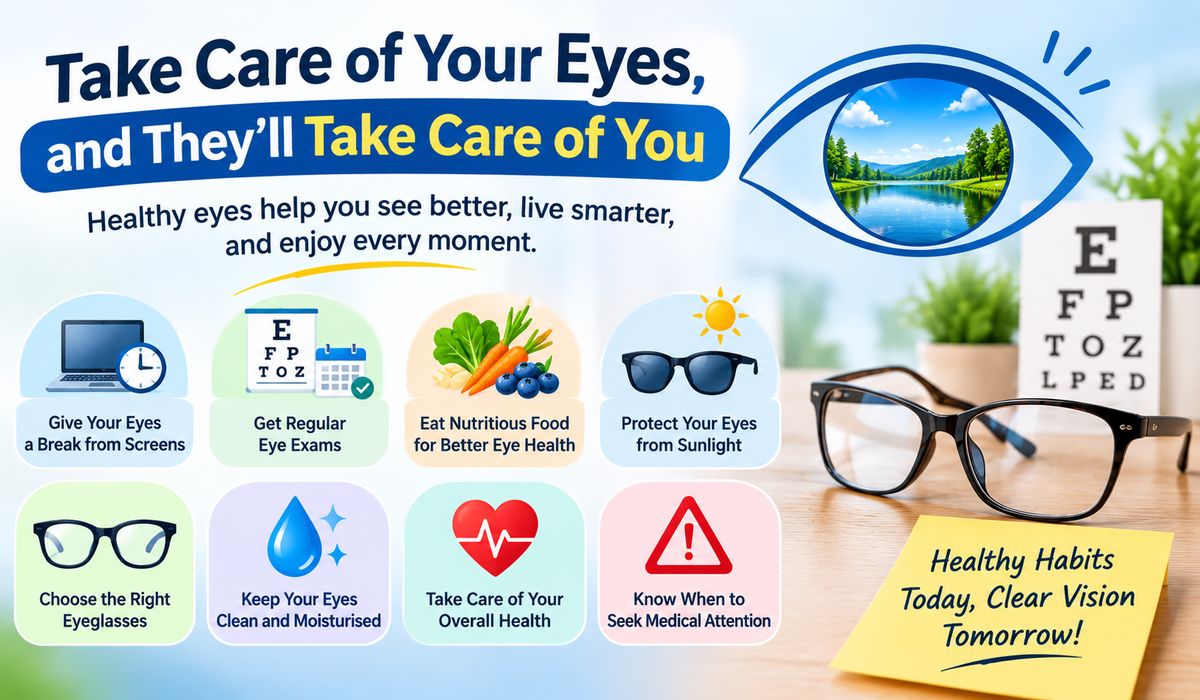
আপনি চোখের যত্ন নিন, চোখ আপনার যত্ন নিবে।
আমাদের প্রতিদিনের জীবনে চোখের গুরুত্ব অনেক। বই পড়া, কম্পিউটারে কাজ করা, মোবাইল ব্যবহার করা কিংবা পরিচিত মানুষের মুখ চিনতে পারা—প্রায় প্রতিটি কাজেই চোখের ওপর নির্ভর করতে হয়। অথচ চোখে সমস্যা দেখা না দেওয়া পর্যন্ত অনেকেই এর যত্ন নেওয়ার কথা ভাবেন না।
চোখ ভালো রাখতে সব সময় বড় কোনো পরিবর্তনের প্রয়োজন হয় না। প্রতিদিনের কিছু সহজ অভ্যাস চোখের অস্বস্তি কমাতে, দৃষ্টিশক্তি ভালো রাখতে এবং দীর্ঘমেয়াদে চোখের স্বাস্থ্য রক্ষায় সাহায্য করতে পারে।
১. একটানা স্ক্রিনের দিকে তাকিয়ে থাকবেন না
কম্পিউটার, ল্যাপটপ ও মোবাইল এখন আমাদের দৈনন্দিন কাজের অংশ। কিন্তু দীর্ঘ সময় বিরতি ছাড়া স্ক্রিনের দিকে তাকিয়ে থাকলে চোখে ক্লান্তি, শুষ্কতা, মাথাব্যথা কিংবা সাময়িক ঝাপসা দেখার সমস্যা হতে পারে।
এ ক্ষেত্রে 20-20-20 নিয়ম অনুসরণ করতে পারেন। প্রতি ২০ মিনিট পর অন্তত ২০ সেকেন্ডের জন্য প্রায় ২০ ফুট দূরের কোনো বস্তুর দিকে তাকান। পাশাপাশি নিয়মিত চোখের পলক ফেলুন এবং স্ক্রিনের উজ্জ্বলতা ও দূরত্ব আরামদায়ক রাখুন।
এই ছোট অভ্যাসগুলো দীর্ঘ সময় স্ক্রিন ব্যবহারের কারণে হওয়া চোখের অস্বস্তি কমাতে সাহায্য করতে পারে।
২. চোখ পরীক্ষা করাতে অবহেলা করবেন না
চোখে পরিষ্কার দেখলেই যে চোখ সম্পূর্ণ সুস্থ, তা নিশ্চিতভাবে বলা যায় না। কিছু চোখের সমস্যা শুরুতে তেমন কোনো লক্ষণ প্রকাশ করে না।
নিয়মিত ও পূর্ণাঙ্গ চোখ পরীক্ষা করালে দৃষ্টিশক্তির পরিবর্তন এবং কিছু চোখের রোগ প্রাথমিক পর্যায়ে শনাক্ত করা সম্ভব হতে পারে। কতদিন পরপর চোখ পরীক্ষা করানো দরকার, তা নির্ভর করে আপনার বয়স, শারীরিক অবস্থা, পারিবারিক ইতিহাস ও চোখের সমস্যার ঝুঁকির ওপর।
তাই চোখে সমস্যা দেখা দেওয়ার জন্য অপেক্ষা না করে চিকিৎসকের পরামর্শ অনুযায়ী চোখ পরীক্ষা করান।
৩. খাবারের দিকেও নজর দিন
চোখের সুস্থতার জন্য সুষম খাবার গুরুত্বপূর্ণ। প্রতিদিনের খাবারে সবুজ শাকসবজি, রঙিন ফলমূল, ডিম, বাদাম এবং পুষ্টিকর অন্যান্য খাবার রাখার চেষ্টা করুন।
সবুজ শাকসবজিতে থাকা লুটেইন ও জিয়াজ্যানথিনের মতো পুষ্টি উপাদান চোখের স্বাস্থ্যে ভূমিকা রাখে। অন্যদিকে, ওমেগা-৩ ফ্যাটি অ্যাসিডযুক্ত মাছও সুষম খাদ্যতালিকার অংশ হতে পারে।
তবে শুধু একটি বিশেষ খাবার খেলেই চোখের সব সমস্যা দূর হয়ে যাবে বা দৃষ্টিশক্তি সব সময় ভালো থাকবে—এমন ধারণা ঠিক নয়। নিয়মিত সুষম খাবার খাওয়া সামগ্রিক স্বাস্থ্যের পাশাপাশি চোখের সুস্থতা বজায় রাখতেও সহায়ক।
৪. বাইরে গেলে চোখকে সূর্যের অতিবেগুনি রশ্মি থেকে রক্ষা করুন
রোদে বাইরে যাওয়ার সময় ত্বকের সুরক্ষার কথা আমরা অনেকেই ভাবি, কিন্তু চোখের সুরক্ষার বিষয়টি অনেক সময় উপেক্ষা করি।
সূর্যের অতিবেগুনি রশ্মি বা UV রশ্মির অতিরিক্ত সংস্পর্শ চোখের কিছু রোগের ঝুঁকি বাড়াতে পারে। তাই বাইরে গেলে এমন সানগ্লাস ব্যবহার করুন, যা ৯৯–১০০ শতাংশ UVA ও UVB রশ্মি আটকাতে পারে।
এ ছাড়া ধুলাবালি, রাসায়নিক পদার্থ বা উড়ন্ত কণার কারণে চোখে আঘাত লাগার আশঙ্কা থাকলে উপযুক্ত সুরক্ষামূলক চশমা ব্যবহার করুন।
৫. সঠিক পাওয়ার ও ফিটিংয়ের চশমা ব্যবহার করুন
চশমা ব্যবহারের ক্ষেত্রে শুধু ফ্রেমের ডিজাইন বা দেখতে কেমন লাগছে, সেটিই বিবেচনা করা উচিত নয়। চশমার পাওয়ার সঠিক হওয়া এবং ফ্রেমটি মুখে আরামদায়কভাবে বসাও সমান গুরুত্বপূর্ণ।
ভুল পাওয়ার, ফ্রেমের অনুপযুক্ত ফিটিং কিংবা লেন্সের সঠিক অবস্থান না থাকার কারণে কারও কারও চোখে অস্বস্তি হতে পারে।
চশমা পরার পর যদি বারবার মাথাব্যথা, ঝাপসা দেখা, মাথা ঘোরা বা ফোকাস করতে অসুবিধা হয়, তাহলে বিষয়টি অবহেলা করবেন না। প্রয়োজনে চোখ পরীক্ষা করিয়ে চশমার পাওয়ার ও ফিটিং যাচাই করুন।
৬. চোখ পরিষ্কার রাখুন এবং শুষ্কতার সমস্যা অবহেলা করবেন না
চোখের স্বাভাবিক আর্দ্রতা চোখকে আরামদায়ক রাখতে সাহায্য করে। তবে দীর্ঘ সময় স্ক্রিন ব্যবহার, শুষ্ক পরিবেশ কিংবা কন্ট্যাক্ট লেন্স ব্যবহারের ভুল অভ্যাসের কারণে চোখে শুষ্কতা বা জ্বালাপোড়া হতে পারে।
চোখে হাত দেওয়ার আগে হাত ভালোভাবে ধুয়ে নিন। কন্ট্যাক্ট লেন্স ব্যবহার করলে নির্ধারিত নিয়ম অনুযায়ী পরিষ্কার করুন এবং সময়মতো পরিবর্তন করুন। লেন্স পরিষ্কারের জন্য সাধারণ পানি ব্যবহার করবেন না; উপযুক্ত কন্ট্যাক্ট লেন্স সলিউশন ব্যবহার করুন।
চোখে বারবার শুষ্কতা, লালচে ভাব বা জ্বালাপোড়া হলে চিকিৎসকের পরামর্শ নিন। নিজের ইচ্ছায় ওষুধযুক্ত আই ড্রপ ব্যবহার করা থেকে বিরত থাকুন।
৭. শরীরের সামগ্রিক স্বাস্থ্যের যত্ন নিন
চোখের স্বাস্থ্যের সঙ্গে শরীরের অন্যান্য অঙ্গের স্বাস্থ্যেরও সম্পর্ক রয়েছে। ডায়াবেটিস ও উচ্চ রক্তচাপের মতো রোগ চোখের কিছু সমস্যার ঝুঁকি বাড়াতে পারে।
নিয়মিত শারীরিক পরিশ্রম, সুষম খাবার, ধূমপান এড়িয়ে চলা এবং দীর্ঘমেয়াদি রোগ নিয়ন্ত্রণে রাখা সামগ্রিক স্বাস্থ্যের জন্য উপকারী। এর পাশাপাশি চোখের স্বাস্থ্য রক্ষায়ও এসব অভ্যাস গুরুত্বপূর্ণ।
আপনার ডায়াবেটিস, উচ্চ রক্তচাপ বা চোখের রোগের পারিবারিক ইতিহাস থাকলে কতদিন পরপর চোখ পরীক্ষা করানো দরকার, তা চিকিৎসকের কাছ থেকে জেনে নিন।
৮. চোখের বিপদের লক্ষণগুলো চিনে রাখুন
চোখে হঠাৎ কোনো অস্বাভাবিক পরিবর্তন দেখা দিলে সেটিকে সাধারণ সমস্যা ভেবে অবহেলা করবেন না।
হঠাৎ দৃষ্টিশক্তি কমে যাওয়া, চোখে তীব্র ব্যথা, আলোর ঝলকানি দেখা, ভাসমান দাগের সংখ্যা হঠাৎ বেড়ে যাওয়া কিংবা দৃষ্টির সামনে পর্দার মতো ছায়া নেমে আসা—এসব লক্ষণ গুরুতর সমস্যার ইঙ্গিত হতে পারে।
এ ধরনের লক্ষণ দেখা দিলে দ্রুত জরুরি চিকিৎসা নিন। নিজে থেকে সেরে যাওয়ার অপেক্ষা করা ঠিক নয়।
শেষ কথা: চোখের যত্ন হোক প্রতিদিনের অভ্যাস
চোখ আমাদের প্রতিদিনের অসংখ্য কাজ করতে সাহায্য করে। অথচ ব্যস্ততার কারণে আমরা অনেক সময় চোখের যত্ন নেওয়ার বিষয়টি ভুলে যাই।
একটানা স্ক্রিন ব্যবহার না করা, পুষ্টিকর খাবার খাওয়া, বাইরে গেলে উপযুক্ত সানগ্লাস ব্যবহার করা, সঠিক পাওয়ারের চশমা পরা এবং নিয়মিত চোখ পরীক্ষা করানো—এসব অভ্যাস চোখের স্বাস্থ্য রক্ষায় গুরুত্বপূর্ণ ভূমিকা রাখতে পারে।
সব অভ্যাস একসঙ্গে পরিবর্তন করার প্রয়োজন নেই। প্রতিদিন একটি করে ভালো অভ্যাস গড়ে তুলুন এবং চোখের যত্নকে দৈনন্দিন জীবনের অংশ করে নিন।
মনে রাখবেন, চোখের যত্ন নেওয়া শুধু দৃষ্টিশক্তি ভালো রাখার জন্য নয়; বরং চোখের সমস্যা সময়মতো শনাক্ত করা এবং সুস্থ জীবনযাপনের জন্যও গুরুত্বপূর্ণ।
সচরাচর জিজ্ঞাসিত প্রশ্ন (FAQ)
১. মোবাইল বেশি ব্যবহার করলে কি চোখ স্থায়ীভাবে নষ্ট হয়ে যায়?
স্বাভাবিকভাবে স্ক্রিন ব্যবহারের কারণে সুস্থ চোখ স্থায়ীভাবে নষ্ট হয়ে যায়—এমন প্রমাণ নেই। তবে দীর্ঘ সময় স্ক্রিনের দিকে তাকিয়ে থাকলে চোখে ক্লান্তি, শুষ্কতা ও সাময়িক ঝাপসা দেখার সমস্যা হতে পারে। নিয়মিত বিরতি নেওয়া উপকারী।
২. কতদিন পরপর চোখ পরীক্ষা করানো উচিত?
এটি আপনার বয়স, শারীরিক অবস্থা, চোখের লক্ষণ এবং রোগের ঝুঁকির ওপর নির্ভর করে। আপনার জন্য উপযুক্ত সময়সূচি জানতে চোখের চিকিৎসকের পরামর্শ নিন।
৩. চোখ ভালো রাখতে কী ধরনের খাবার খাওয়া উচিত?
সবুজ শাকসবজি, রঙিন ফলমূল, ডিম, মাছ ও অন্যান্য পুষ্টিকর খাবারসহ সুষম খাদ্যতালিকা চোখের স্বাস্থ্যের জন্য উপকারী।
৪. মেঘলা দিনেও কি সানগ্লাস ব্যবহার করা দরকার?
হ্যাঁ। মেঘলা দিনেও UV রশ্মি চোখে পৌঁছাতে পারে। তাই বাইরে গেলে UV রশ্মি প্রতিরোধী সানগ্লাস ব্যবহার করা ভালো।
৫. চোখে কী ধরনের সমস্যা হলে দ্রুত চিকিৎসা নিতে হবে?
হঠাৎ দৃষ্টিশক্তি কমে যাওয়া, তীব্র চোখের ব্যথা, দৃষ্টির সামনে পর্দার মতো ছায়া দেখা কিংবা হঠাৎ আলোর ঝলকানি বা ভাসমান দাগ বেড়ে গেলে দ্রুত চিকিৎসা নিন।
তথ্যসূত্র
১. National Eye Institute — Keep Your Eyes Healthy
২. American Academy of Ophthalmology — Computers, Digital Devices, and Eye Strain
৩. National Eye Institute — 8 Things You Can Do Right Now to Protect Your Vision
৪. American Academy of Ophthalmology — Digital Devices and Your Eyes
Take Care of Your Eyes, and They’ll Take Care of You
Your eyes help you experience the world in all its detail. From reading a book and working on a computer to recognizing familiar faces, your vision plays an important role in everyday life. Yet, eye care is something many people remember only when discomfort or vision problems begin.
The good news is that caring for your eyes does not always require major changes to your routine. Small, consistent habits can help protect your vision, reduce everyday eye discomfort, and support long-term eye health.
1. Give Your Eyes a Break from Screens
Computers, smartphones, and tablets are part of everyday life. However, spending long periods looking at a screen without breaks may cause tired eyes, dryness, headaches, or temporary blurred vision.
Try following the 20-20-20 rule: every 20 minutes, look at something about 20 feet away for at least 20 seconds. Remember to blink regularly, adjust your screen brightness, and keep your monitor at a comfortable distance.
These simple habits can help reduce digital eye strain.
2. Never Ignore Regular Eye Exams
Clear vision does not always mean your eyes are completely healthy. Some eye conditions may develop without noticeable symptoms in their early stages.
A comprehensive eye examination can help identify vision changes and certain eye diseases before they become more serious. How often you need an examination depends on your age, medical history, symptoms, and individual risk factors.
Rather than waiting for a problem to appear, make eye examinations part of your regular healthcare routine.
3. Eat Well for Better Eye Health
Healthy eyes benefit from a balanced diet. Include a variety of colourful fruits and vegetables, leafy greens, eggs, nuts, and other nutritious foods in your meals.
Leafy vegetables provide nutrients such as lutein and zeaxanthin, while fish containing omega-3 fatty acids can contribute to a balanced diet. No single food can guarantee perfect eyesight, but healthy eating supports your overall health and helps reduce the risk of certain conditions that may affect vision.
4. Protect Your Eyes from Sunlight
Sunlight is part of everyday life, but excessive ultraviolet (UV) exposure can increase the risk of certain eye conditions.
When outdoors, choose sunglasses that block 99–100% of UVA and UVB rays. A comfortable, well-fitting pair can help protect your eyes on sunny days and during other outdoor activities.
If your work or hobbies involve dust, chemicals, flying particles, or potential eye injuries, use appropriate protective eyewear as well.
5. Choose the Right Eyeglasses
If you wear glasses, make sure your prescription is up to date and your frames fit comfortably. Incorrect prescription strength, poor frame adjustment, or unsuitable lens positioning may contribute to visual discomfort.
Avoid choosing glasses based on appearance alone. The right lenses should meet your vision needs, while the frame should fit securely without excessive pressure on your nose or ears.
If you experience persistent headaches, blurred vision, dizziness, or difficulty focusing while wearing your glasses, consult an eye care professional rather than assuming you simply need more time to adjust.
6. Keep Your Eyes Clean and Moisturised
Your eyes have a natural system that helps keep their surface moist and clean. However, prolonged screen use, dry environments, and some contact lens habits may contribute to dryness or irritation.
Wash your hands before touching your eyes or handling contact lenses. Follow the recommended cleaning and replacement schedule for your lenses, and never use water as a substitute for contact lens solution.
If your eyes frequently feel dry or irritated, ask an eye care professional about suitable treatment. Avoid using medicated eye drops without appropriate advice.
7. Remember That Your Overall Health Matters
Eye health is closely connected to general health. Conditions such as diabetes and high blood pressure can increase the risk of certain eye problems.
Staying physically active, eating a balanced diet, avoiding smoking, and managing existing health conditions can all contribute to better long-term health, including your vision.
If you have diabetes, high blood pressure, a family history of eye disease, or other risk factors, discuss an appropriate eye examination schedule with your healthcare professional.
8. Know When to Seek Medical Attention
Do not ignore sudden or unusual changes in your vision. A sudden loss of vision, a sudden increase in floaters or flashes, a curtain-like shadow across your sight, or severe eye pain requires urgent medical assessment.
Prompt attention can be important when dealing with potentially serious eye conditions. Do not wait for symptoms to disappear on their own.
Final Thoughts: Your Eyes Deserve Everyday Care
Your eyes work hard for you every day, often without receiving much attention in return. Giving them regular breaks, eating nutritious food, wearing proper eye protection, using suitable eyewear, and scheduling appropriate eye examinations are simple ways to make eye care a priority.
You do not need to change everything at once. Start with one healthy habit and build from there.
Take care of your eyes today, so you can continue enjoying the moments, people, and experiences that make life meaningful.
Frequently Asked Questions
- Can using a mobile phone damage my eyes?
Prolonged screen use has not been shown to permanently damage healthy eyes under normal conditions, but it can cause temporary eye strain, dryness, and blurred vision. Taking regular breaks can help.
- How often should I have an eye examination?
The recommended frequency depends on your age, symptoms, medical history, and risk factors. An eye care professional can advise you on an appropriate schedule.
- Which foods are good for eye health?
A balanced diet containing leafy greens, colourful fruits and vegetables, eggs, and fish can provide nutrients that support eye health.
- Should I wear sunglasses on cloudy days?
Yes. UV rays can reach your eyes even when the sky is cloudy, so UV-blocking sunglasses are useful outdoors.
- When should I seek urgent eye care?
Seek urgent medical attention for sudden vision loss, severe eye pain, a curtain-like shadow, or a sudden increase in flashes or floaters.
Sources and References
- National Eye Institute — Keep Your Eyes Healthy
- American Academy of Ophthalmology — Computers, Digital Devices, and Eye Strain
- National Eye Institute — 8 Things You Can Do Right Now to Protect Your Vision
- American Academy of Ophthalmology — Digital Devices and Your Eyes