There is no item in your cart
Single Vision Distance Lens-এর জন্য সঠিক ফ্রেম কীভাবে বেছে নেবেন?
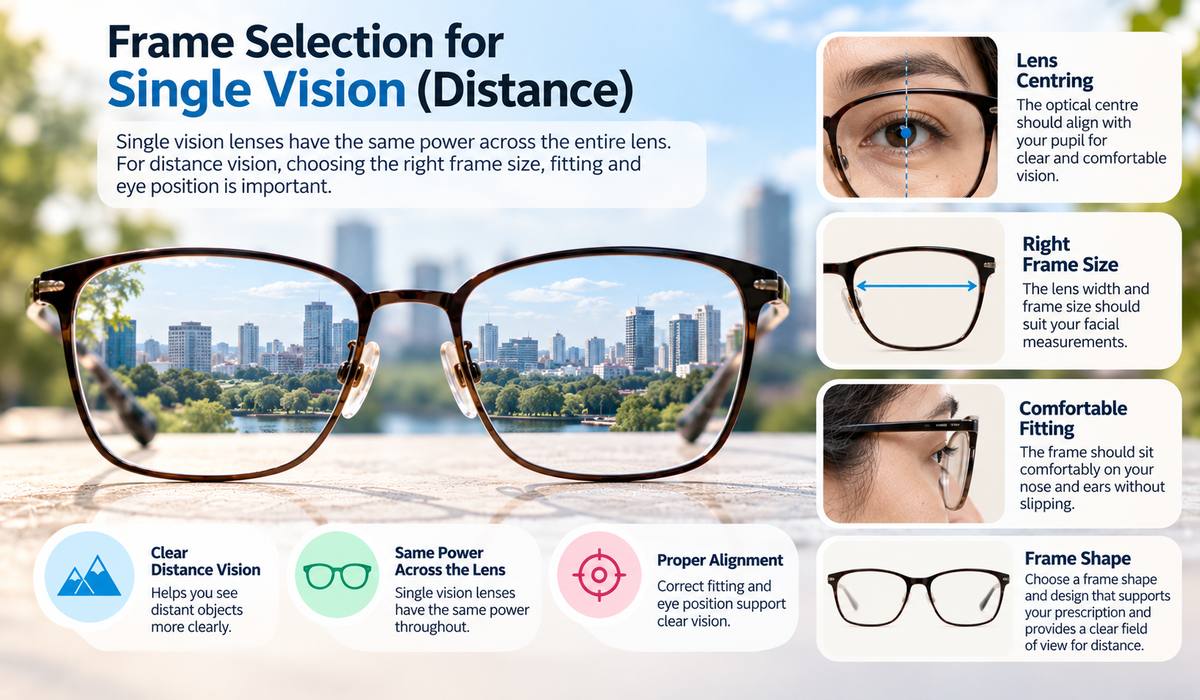
দূরের বস্তু পরিষ্কারভাবে দেখার জন্য Single Vision Distance Lens ব্যবহার করা হয়। এই লেন্সের পুরো অংশজুড়ে একই প্রেসক্রিপশন পাওয়ার থাকে। তাই এই লেন্সের জন্য ফ্রেম বাছাই করার সময় শুধু ডিজাইন বা রং নয়, ফ্রেমের সাইজ, ফিটিং এবং চোখের অবস্থানও গুরুত্ব দিয়ে বিবেচনা করা প্রয়োজন।
সঠিক ফ্রেম লেন্সকে চোখের সামনে উপযুক্ত অবস্থানে রাখতে সাহায্য করে এবং চশমা ব্যবহারকে আরও আরামদায়ক করে তুলতে পারে। তবে ফ্রেম নির্বাচন সবসময় আপনার প্রেসক্রিপশন, মুখের গঠন এবং লেন্সের প্রয়োজনীয়তার সঙ্গে সামঞ্জস্য রেখে করা উচিত।
১. Single Vision Distance Lens কী?
Single Vision Lens হলো এমন লেন্স, যার পুরো লেন্সজুড়ে একই পাওয়ার থাকে। Distance prescription-সহ এই লেন্স দূরের বস্তু দেখতে সাহায্য করে। যেমন—রাস্তার সাইনবোর্ড, ক্লাসরুমের বোর্ড, টেলিভিশন বা দূরে থাকা কোনো বস্তু।
Bifocal বা Progressive Lens-এর মতো এতে আলাদা দূরত্বের জন্য একাধিক পাওয়ার জোন থাকে না। তাই ফ্রেম নির্বাচনের ক্ষেত্রে মূল গুরুত্ব থাকে সঠিক মাপ, আরামদায়ক ফিটিং এবং লেন্সের উপযুক্ত অবস্থানের ওপর।
২. ফ্রেমের সাইজ কেন গুরুত্বপূর্ণ?
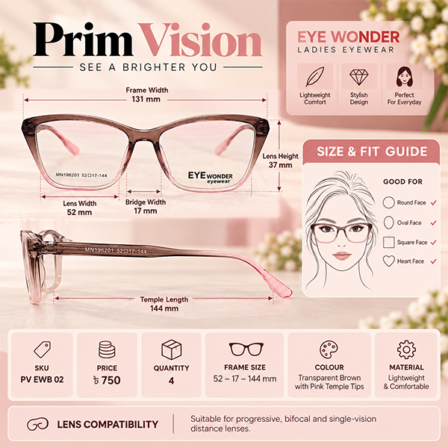
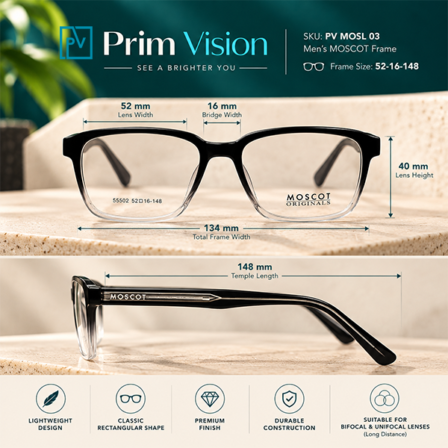
ফ্রেমের প্রস্থ ও উচ্চতা আপনার মুখের সঙ্গে মানানসই হওয়া প্রয়োজন। খুব বড় ফ্রেম হলে সেটি নাকের ওপর সরে যেতে পারে বা চোখের সামনে স্থিরভাবে নাও থাকতে পারে। আবার খুব ছোট ফ্রেম কানের পাশে বা নাকের ওপর চাপ সৃষ্টি করতে পারে।
ফ্রেমের সাইজ নির্বাচনের সময় খেয়াল রাখুন:
-
ফ্রেমটি মুখের সঙ্গে সামঞ্জস্যপূর্ণ কি না।
-
চোখ লেন্সের মধ্যে স্বাভাবিক অবস্থানে আছে কি না।
-
ফ্রেমটি অতিরিক্ত ঢিলা বা আঁটসাঁট কি না।
-
লেন্সের জন্য প্রয়োজনীয় জায়গা রয়েছে কি না।
৩. সঠিক Fitting চোখের অবস্থান বজায় রাখতে সাহায্য করে
চশমা পরার পর ফ্রেমটি নাকের ওপর স্থিরভাবে বসা এবং চোখের সামনে সঠিক অবস্থানে থাকা জরুরি। ফ্রেম বারবার নিচে নেমে গেলে লেন্সের অবস্থানও বদলে যেতে পারে।
বিশেষ করে বেশি পাওয়ারের লেন্সের ক্ষেত্রে লেন্সের অবস্থান, চোখ থেকে লেন্সের দূরত্ব এবং ফ্রেমের ঢাল লেন্সের কার্যকারিতায় প্রভাব ফেলতে পারে। তাই ফ্রেম কেনার পর প্রয়োজন অনুযায়ী একজন দক্ষ অপটিশিয়ানের মাধ্যমে ফিটিং ঠিক করিয়ে নেওয়া ভালো।
৪. Lens Centring বা চোখের অবস্থান কেন জরুরি?
লেন্সের অপটিক্যাল সেন্টার এবং চোখের পিউপিলের অবস্থানের মধ্যে উপযুক্ত সামঞ্জস্য থাকা প্রয়োজন। এজন্য পিউপিলারি ডিস্ট্যান্স (PD) এবং প্রেসক্রিপশন অনুযায়ী প্রয়োজনীয় মাপ সঠিকভাবে নেওয়া গুরুত্বপূর্ণ।
ফ্রেমের আকার বা চোখের অবস্থানের সঙ্গে লেন্সের সেন্টারিং ঠিকভাবে না মিললে, বিশেষ করে নির্দিষ্ট পাওয়ারের ক্ষেত্রে, চশমা ব্যবহারে অস্বস্তি হতে পারে। তাই শুধু ফ্রেমের ডিজাইন দেখে নয়, লেন্স তৈরির জন্য সঠিক মাপ নেওয়া হচ্ছে কি না, সেটিও নিশ্চিত করুন।
৫. কোন ধরনের ফ্রেম বেছে নেবেন?
Single Vision Distance Lens-এর জন্য বিভিন্ন ধরনের ফ্রেম ব্যবহার করা যায়। তবে উপযুক্ত ফ্রেম নির্ভর করবে আপনার প্রেসক্রিপশন, ফ্রেমের মাপ, লেন্সের উপাদান এবং ব্যক্তিগত পছন্দের ওপর।
-
Full-rim frame: লেন্সকে চারপাশ থেকে ঘিরে রাখে এবং অনেক ধরনের প্রেসক্রিপশনের সঙ্গে মানানসই হতে পারে।
-
Lightweight frame: দীর্ঘ সময় চশমা ব্যবহারে আরামদায়ক হতে পারে, যদি ফিটিং সঠিক হয়।
-
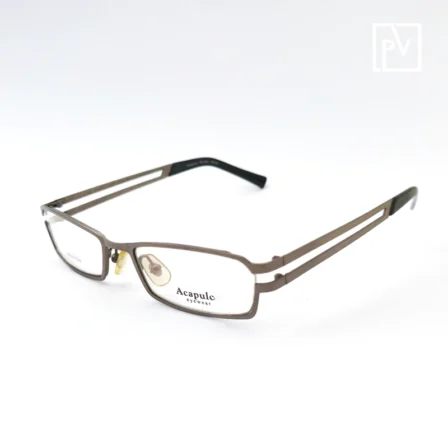
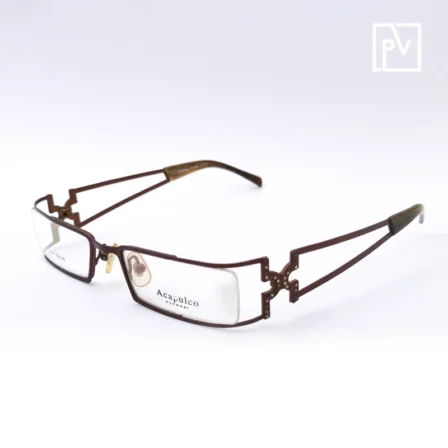
Metal frame: নোজপেড সমন্বয়ের সুযোগ থাকায় কিছু ব্যবহারকারীর জন্য ফিটিং ঠিক করা সহজ হতে পারে।
-
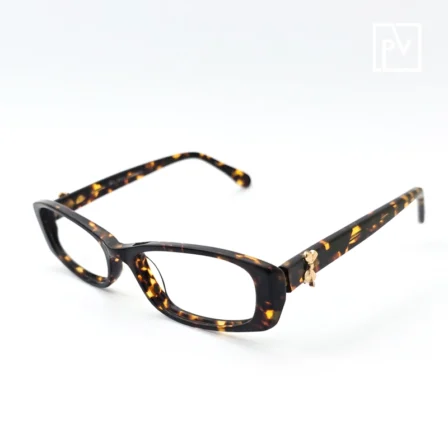
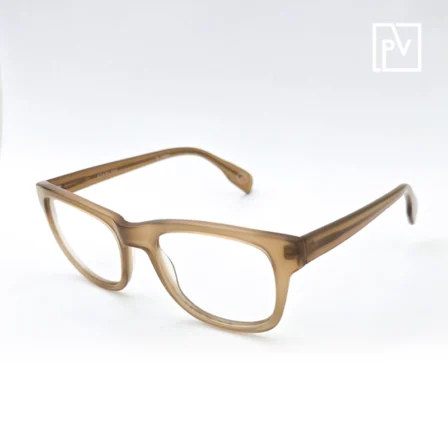
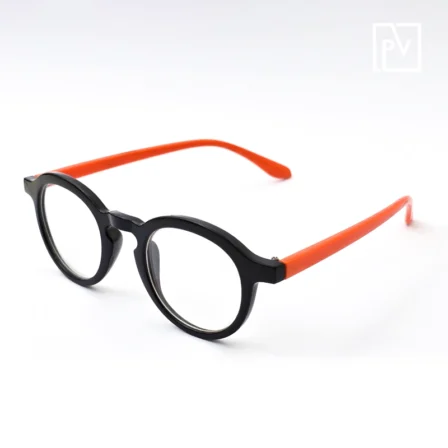
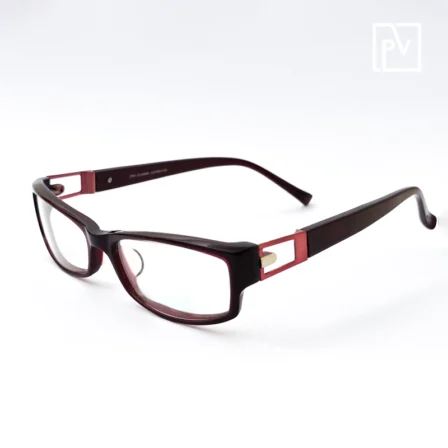
Plastic frame: বিভিন্ন আকৃতি ও ডিজাইনে পাওয়া যায়; তবে নাক ও কানের ওপর সঠিকভাবে বসছে কি না, তা দেখা জরুরি।
কোনো একটি ফ্রেমই সবার জন্য সেরা নয়। আপনার চোখের প্রয়োজন এবং আরামকে অগ্রাধিকার দিন।
৬. ফ্রেম কেনার আগে যে বিষয়গুলো যাচাই করবেন
-
প্রেসক্রিপশনের সঙ্গে ফ্রেমটি উপযুক্ত কি না।
-
ফ্রেমের প্রস্থ ও উচ্চতা মুখের সঙ্গে মানানসই কি না।
-
চোখ লেন্সের মধ্যে সঠিকভাবে অবস্থান করছে কি না।
-
ফ্রেমটি নাক ও কানের পাশে আরামদায়ক কি না।
-
লেন্সের মাপ ও সেন্টারিং সঠিকভাবে নেওয়া হয়েছে কি না।
-
চশমা পরে স্বাভাবিকভাবে তাকালে ফ্রেমটি স্থির থাকছে কি না।
উপসংহার
Single Vision Distance Lens-এর জন্য ফ্রেম নির্বাচন করার সময় আকর্ষণীয় ডিজাইনের পাশাপাশি সঠিক সাইজ, আরামদায়ক ফিটিং এবং চোখের অবস্থানকে গুরুত্ব দিতে হবে। পুরো লেন্সজুড়ে একই পাওয়ার থাকলেও লেন্সটি চোখের সামনে কীভাবে বসছে, তা গুরুত্বপূর্ণ।
মনে রাখবেন, সঠিক ফ্রেম মানে শুধু সুন্দর চেহারা নয়—আপনার প্রেসক্রিপশনের সঙ্গে মানানসই, সঠিকভাবে ফিট করা এবং আরামদায়ক চশমা।
How to Choose the Right Frame for Single Vision Distance Lenses
Single vision distance lenses are designed to help correct distance vision. They have the same prescription power throughout the lens, rather than separate zones for different viewing distances.
When choosing frames for these lenses, the main considerations are frame size, comfortable fitting and the position of the eyes behind the lenses. A suitable frame helps keep the lenses correctly positioned and supports comfortable everyday wear.
1. What Are Single Vision Distance Lenses?
Single vision lenses have one consistent prescription power across the entire lens. When prescribed for distance vision, they help people see distant objects more clearly, such as road signs, classroom boards, television screens and objects across a room.
Unlike bifocal or progressive lenses, single vision lenses do not contain separate prescription zones for near and distance vision. Frame selection should therefore focus on suitable dimensions, a stable fit and appropriate lens positioning.
2. Why Does Frame Size Matter?
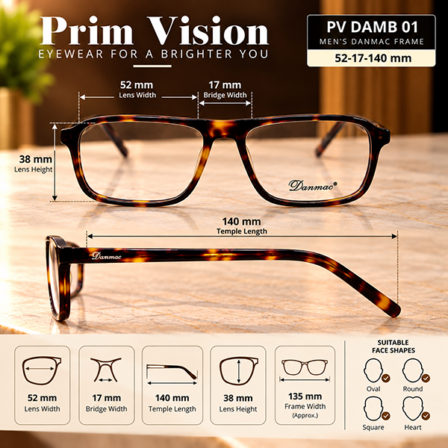
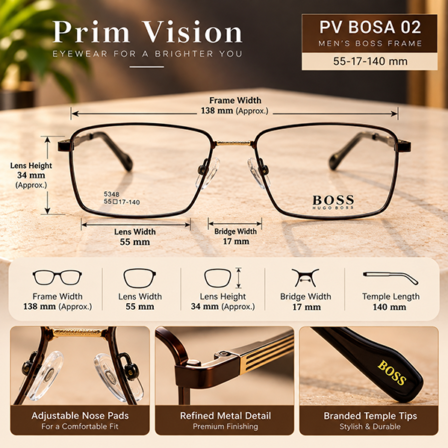
The width and height of a frame should suit your facial measurements and prescription. A frame that is too large may slide down or sit incorrectly, while a frame that is too small may create pressure around the nose and ears.
When choosing a frame, check that:
-
Its width is suitable for your face.
-
Your eyes sit in an appropriate position within the lenses.
-
The frame is neither too loose nor too tight.
-
The frame provides sufficient space for the prescribed lenses.
The right size should balance appearance, stability and comfort.
3. How Does Proper Frame Fitting Help?
A properly fitted frame should sit securely on the nose and remain comfortably positioned during normal activities. If the frame repeatedly slides down or tilts, the lenses may no longer sit in their intended position.
For some prescriptions, particularly stronger ones, factors such as the distance between the eyes and the lenses and the frame’s tilt can influence the optical performance of the glasses.
An optician can adjust the frame to improve its fit and help maintain the intended lens position.
4. Why Is Lens Centring Important?
The optical centre of each lens should be positioned appropriately in relation to the wearer’s pupils. This requires accurate pupillary distance (PD) measurements and, where necessary, additional fitting measurements.
If the lens centres are incorrectly positioned, some wearers may experience visual discomfort, blurred vision or unwanted prismatic effects. Choosing a suitable frame and taking accurate measurements help reduce the risk of these problems.
5. Which Frame Style Should You Choose?
Several frame styles can work with single vision distance lenses. The most suitable option depends on your prescription, lens material, facial measurements and personal preferences.
-
Full-rim frames: Enclose the lenses around their edges and are available in many shapes and sizes.
-
Lightweight frames: Can be comfortable for extended wear when properly fitted.
-
Metal frames: Often allow nose-pad adjustments to improve fit.
-
Plastic frames: Offer a wide variety of designs, but the bridge and overall fit should be checked carefully.
No single frame style is ideal for everyone. Prioritise suitability and comfort rather than appearance alone.
6. What Should You Check Before Buying a Frame?
Before selecting frames for single vision distance lenses, make sure that:
-
The frame is compatible with your prescription.
-
Its dimensions suit your face.
-
Your pupils are positioned appropriately within the lenses.
-
The frame rests comfortably on your nose and ears.
-
The required lens measurements are taken accurately.
-
The glasses remain stable when you look ahead and move naturally.
Conclusion
Choosing frames for single vision distance lenses involves more than selecting an attractive design. Frame size, proper fitting and accurate lens positioning all contribute to how comfortably and effectively the glasses work.
Although single vision lenses have the same power throughout, their positioning in front of the eyes still matters.
Remember: The right frame is one that suits your prescription, fits comfortably and allows your lenses to be positioned correctly.
Frequently Asked Questions
1. Do single vision distance lenses require a special frame?
Not necessarily. Many frame styles are suitable, provided the frame accommodates the prescription and allows accurate lens positioning.
2. Why is pupillary distance important?
PD helps determine where the lenses should be centred in relation to your pupils. Accurate measurements support appropriate lens alignment.
3. Can oversized frames affect lens positioning?
Yes. A frame that is too large or poorly fitted may make correct lens alignment more difficult. An optician can help select and adjust a suitable frame.
4. Which is better for single vision lenses: metal or plastic frames?
Neither is universally better. The choice depends on comfort, durability, prescription requirements, frame dimensions and personal preference.